snugly.
UI/UX, App Design

Tools
Figma
Figjam
Adobe Photoshop
Methods
User Research
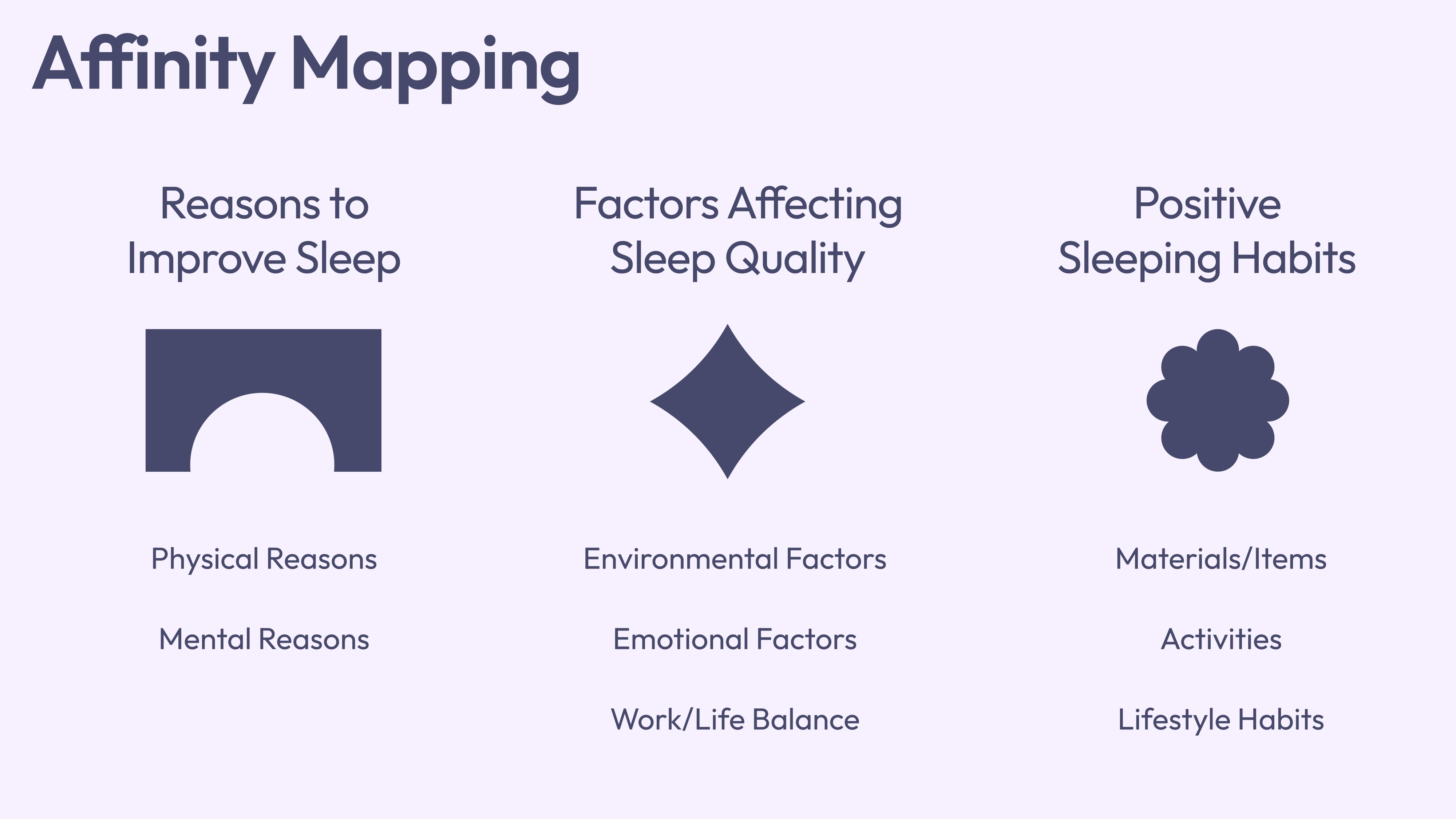
Affinity Mapping
Empathy Mapping
Wireframing
Prototyping
Overview
"snugly." is a UI/UX design system project, tackling the #1 issue among college students and urban professionals:
LACK OF REST.
The core issue faced was that of time management- With the bustle of everyday urban living, many are bound to sacrifice their time for rest.
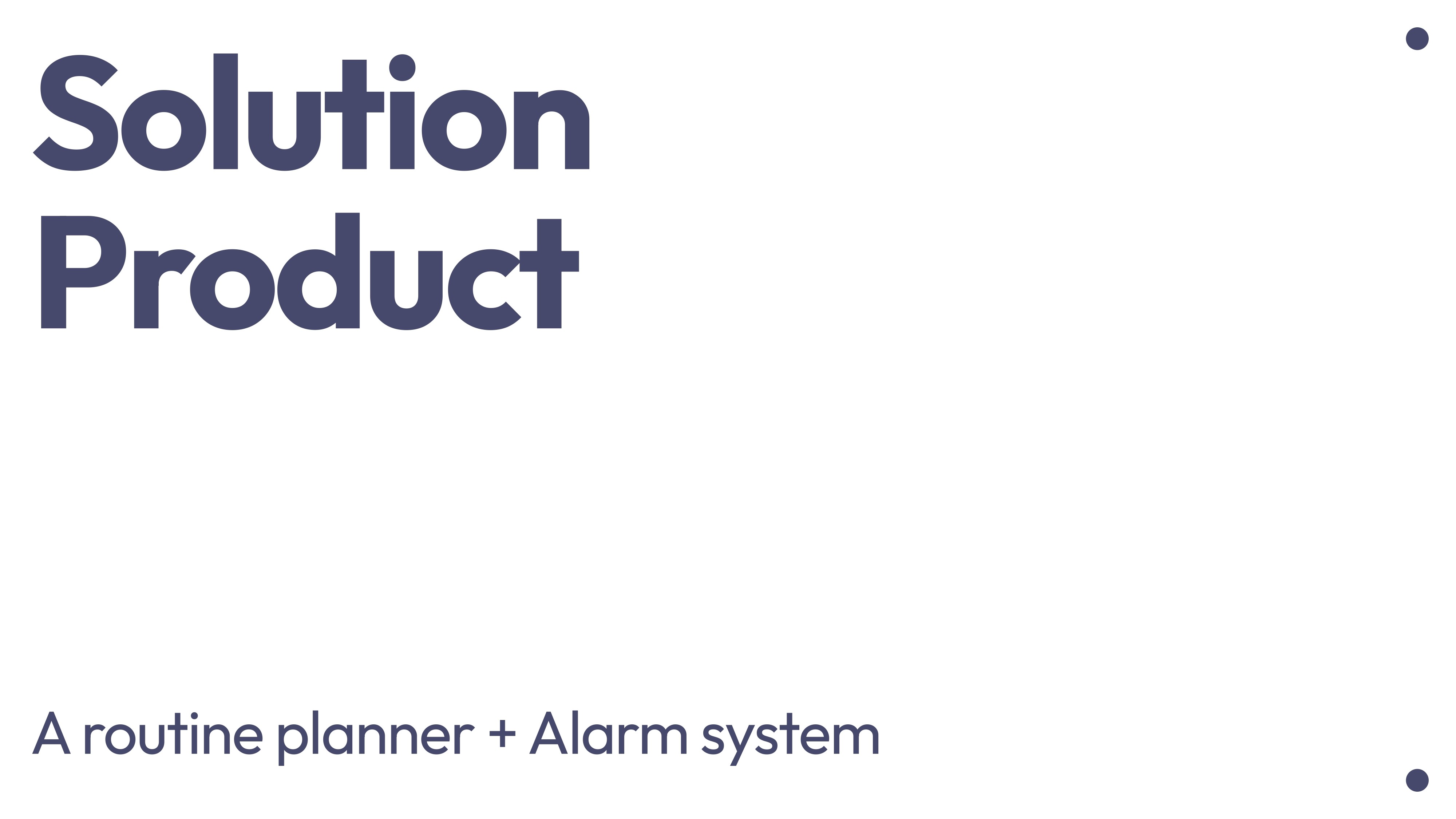
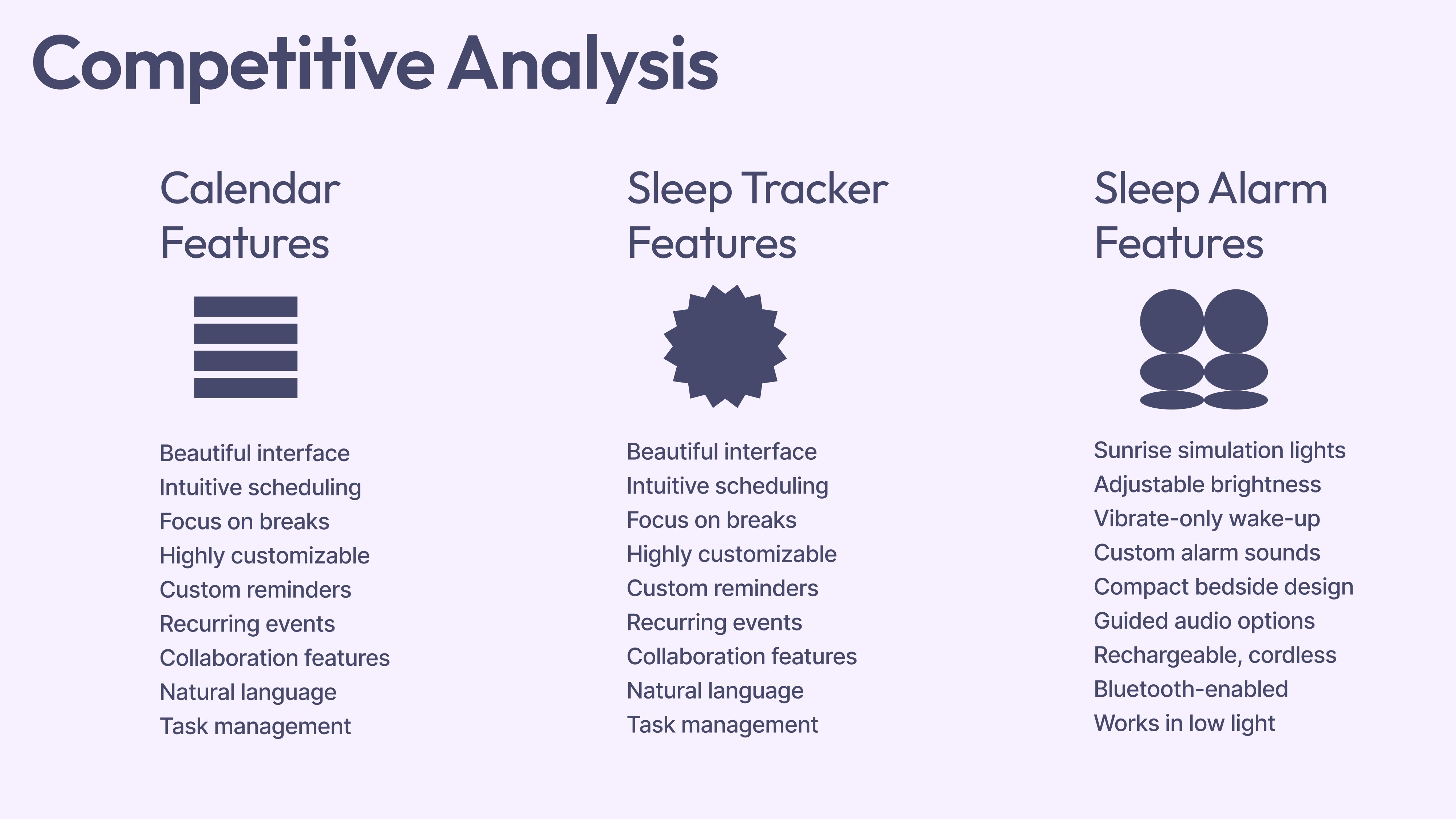
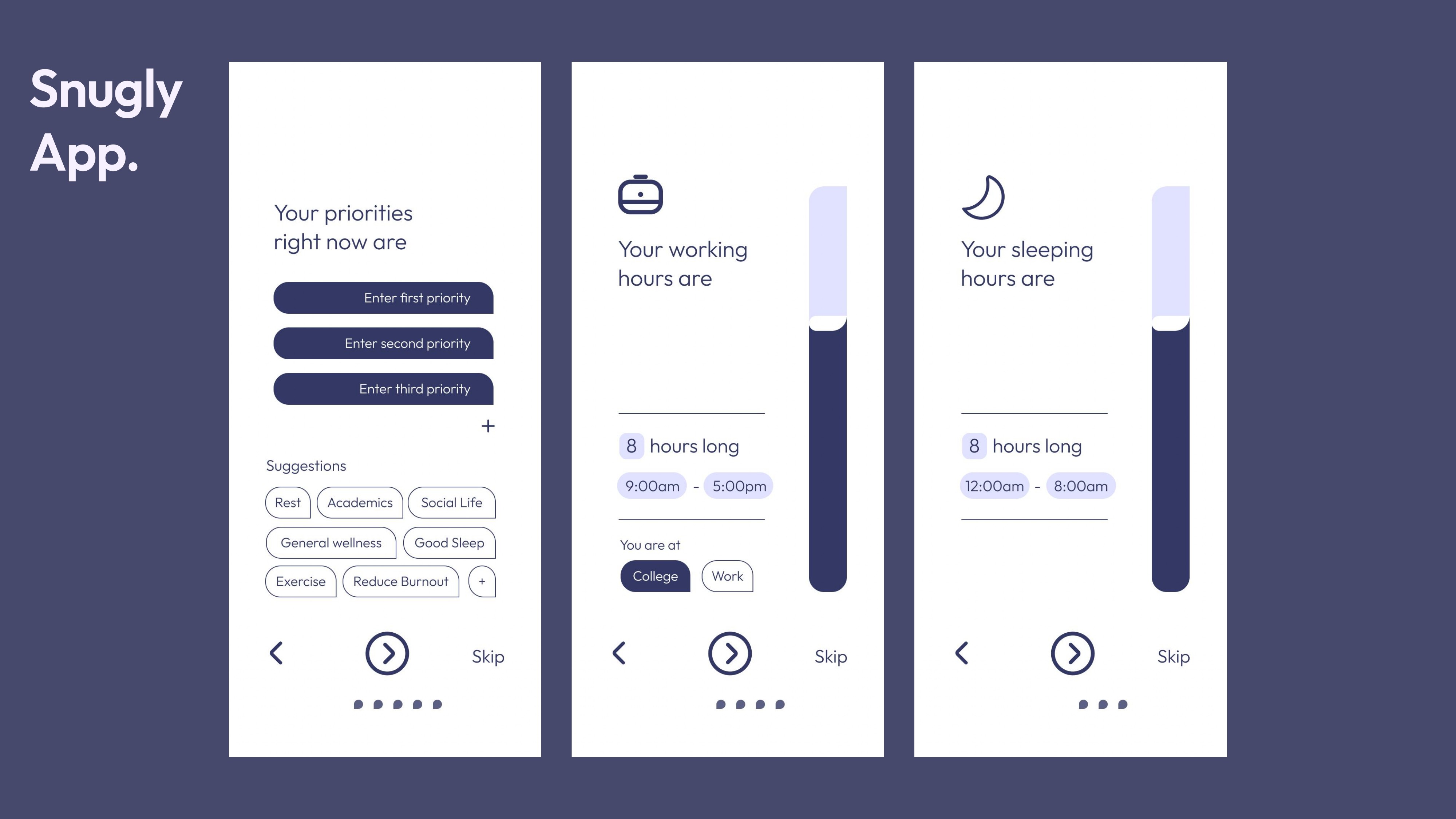
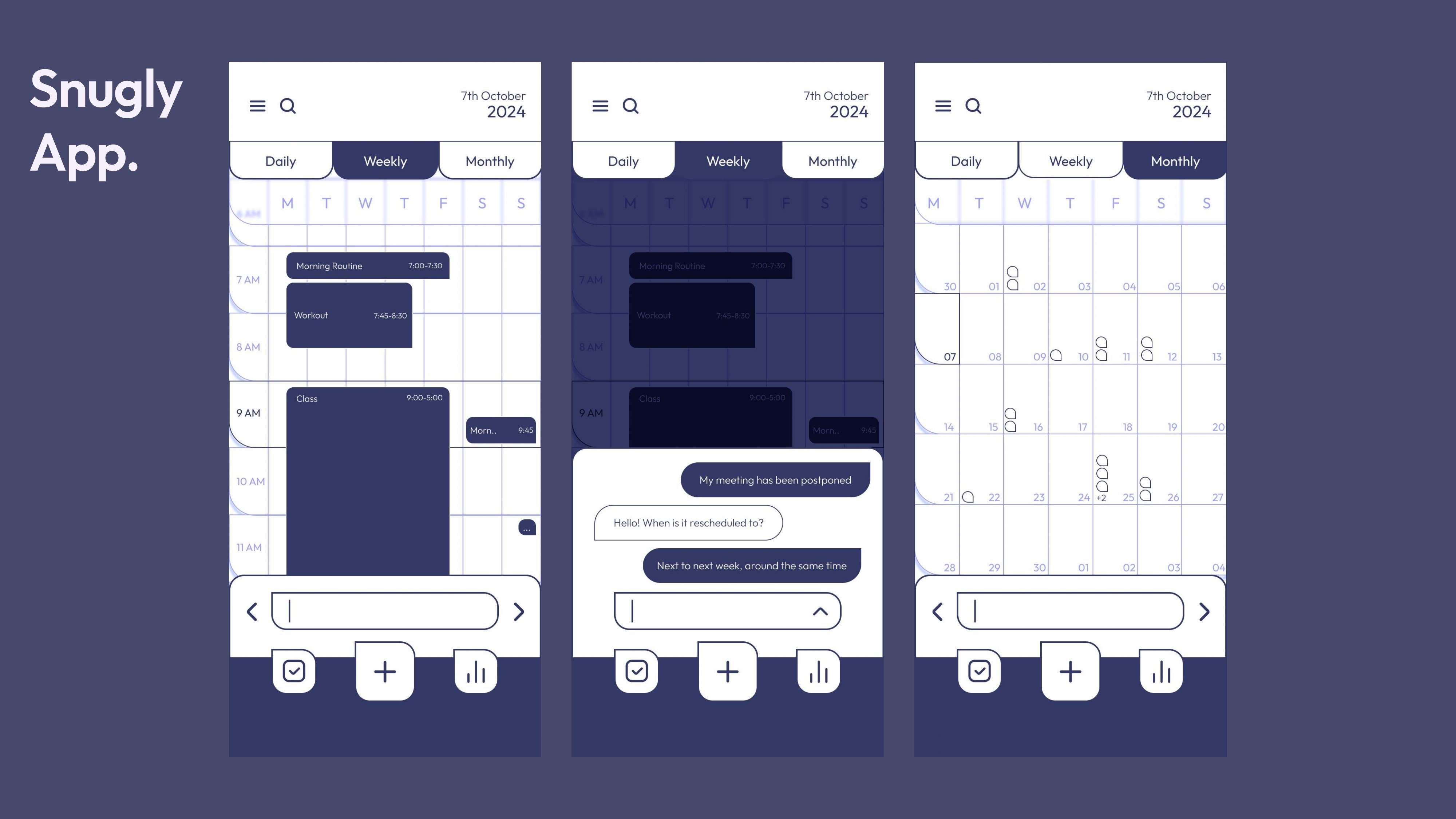
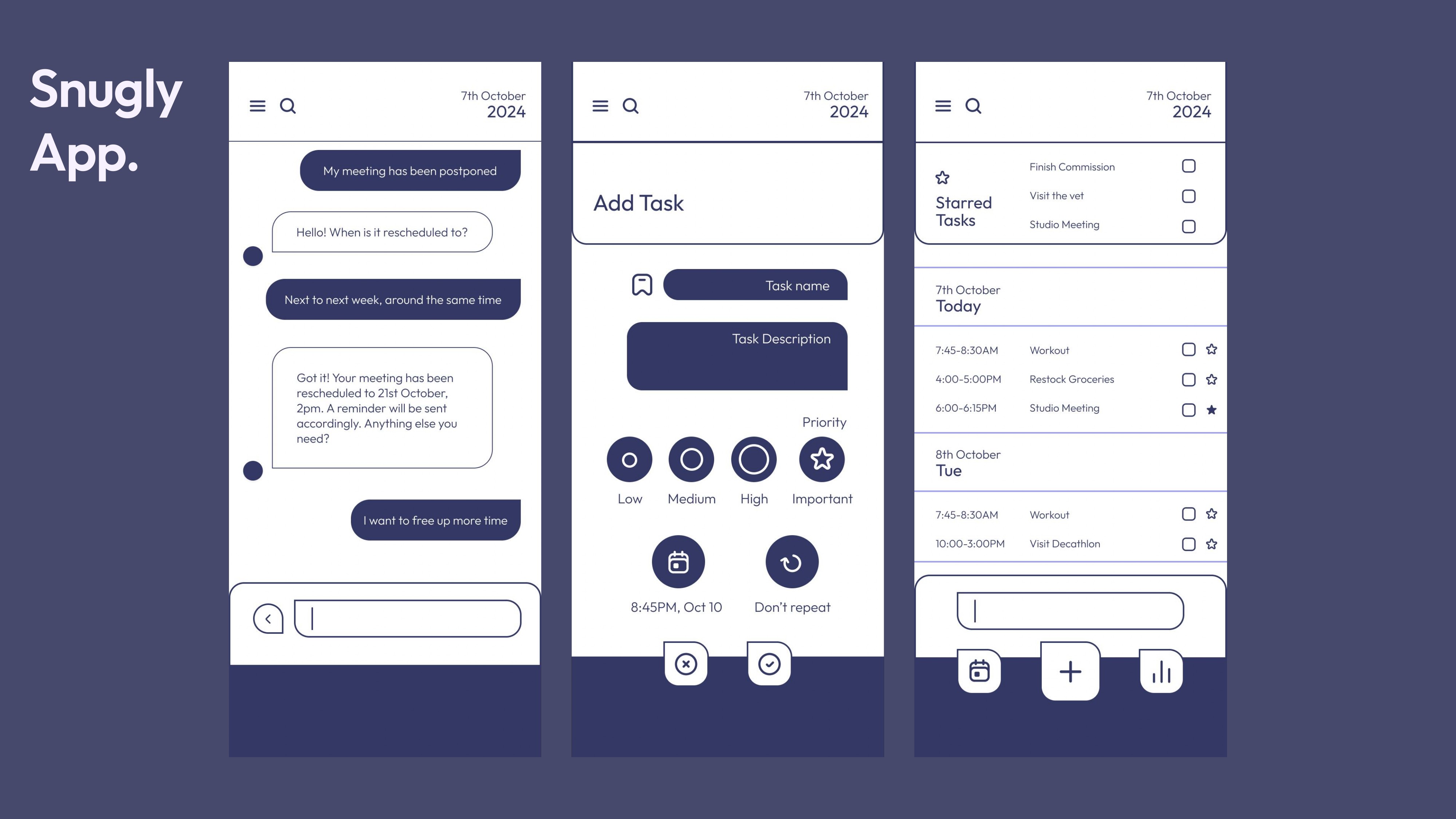
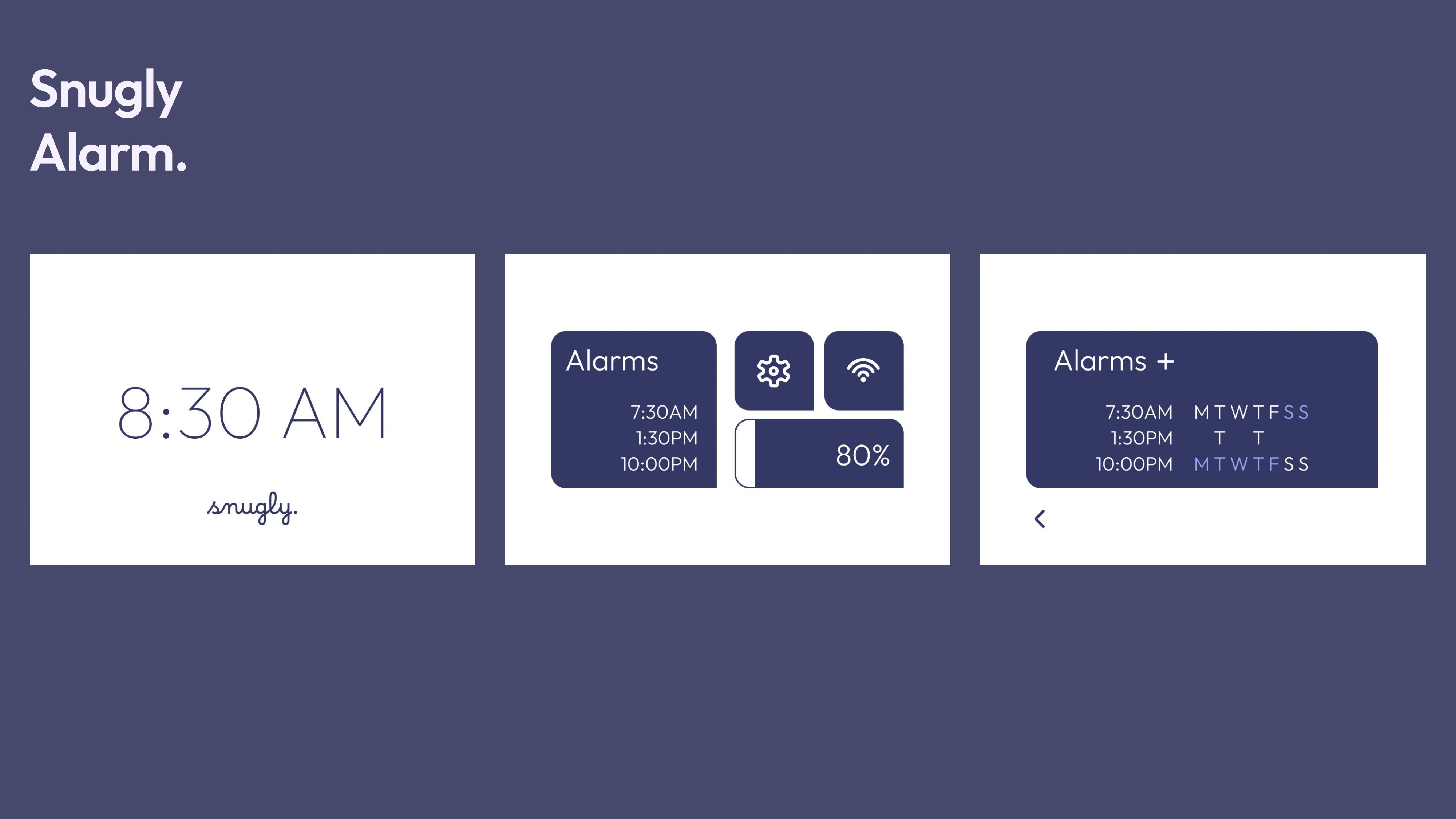
I took my insights and refined it to create this UI/UX system. It consists of two components:
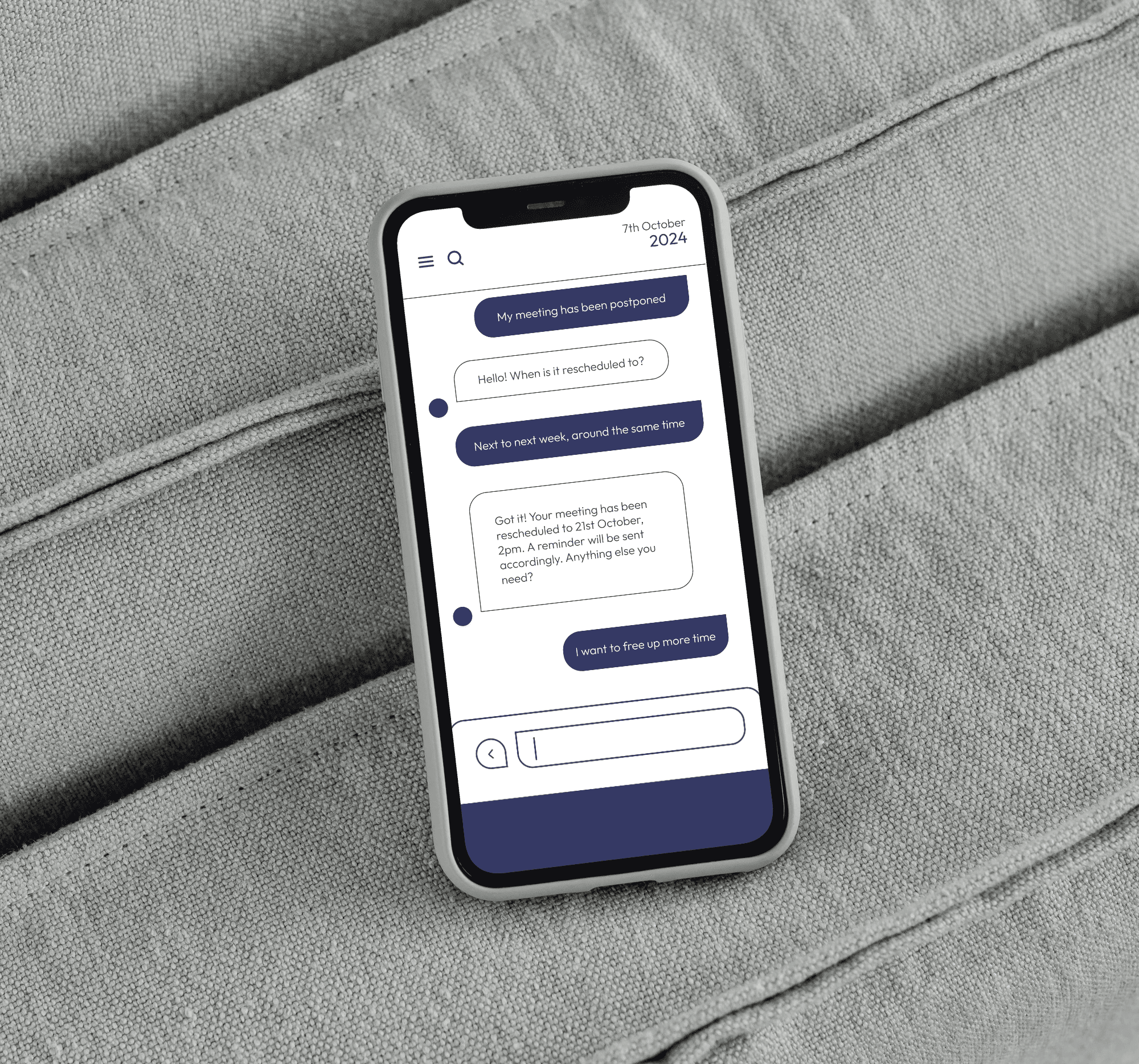
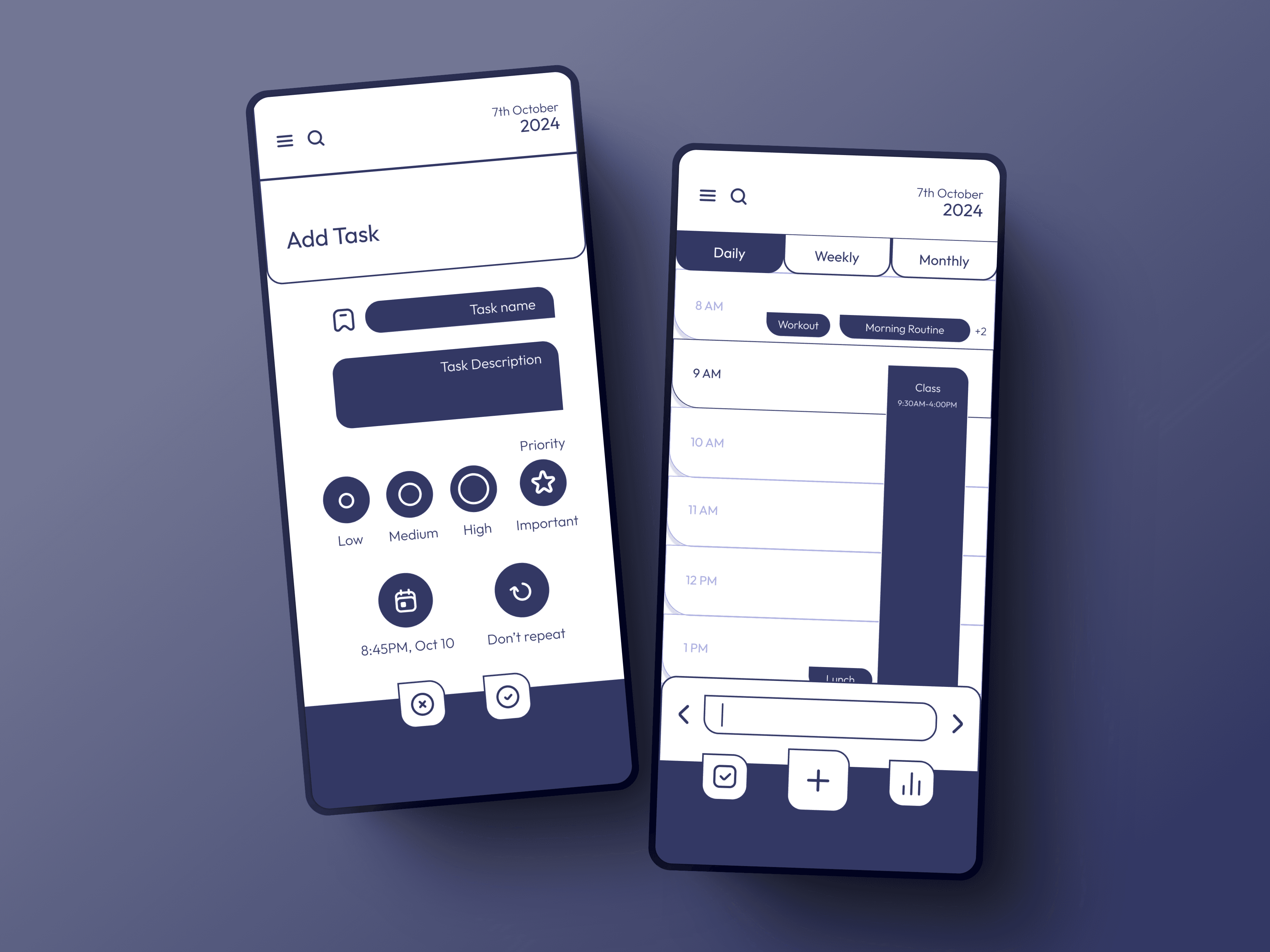
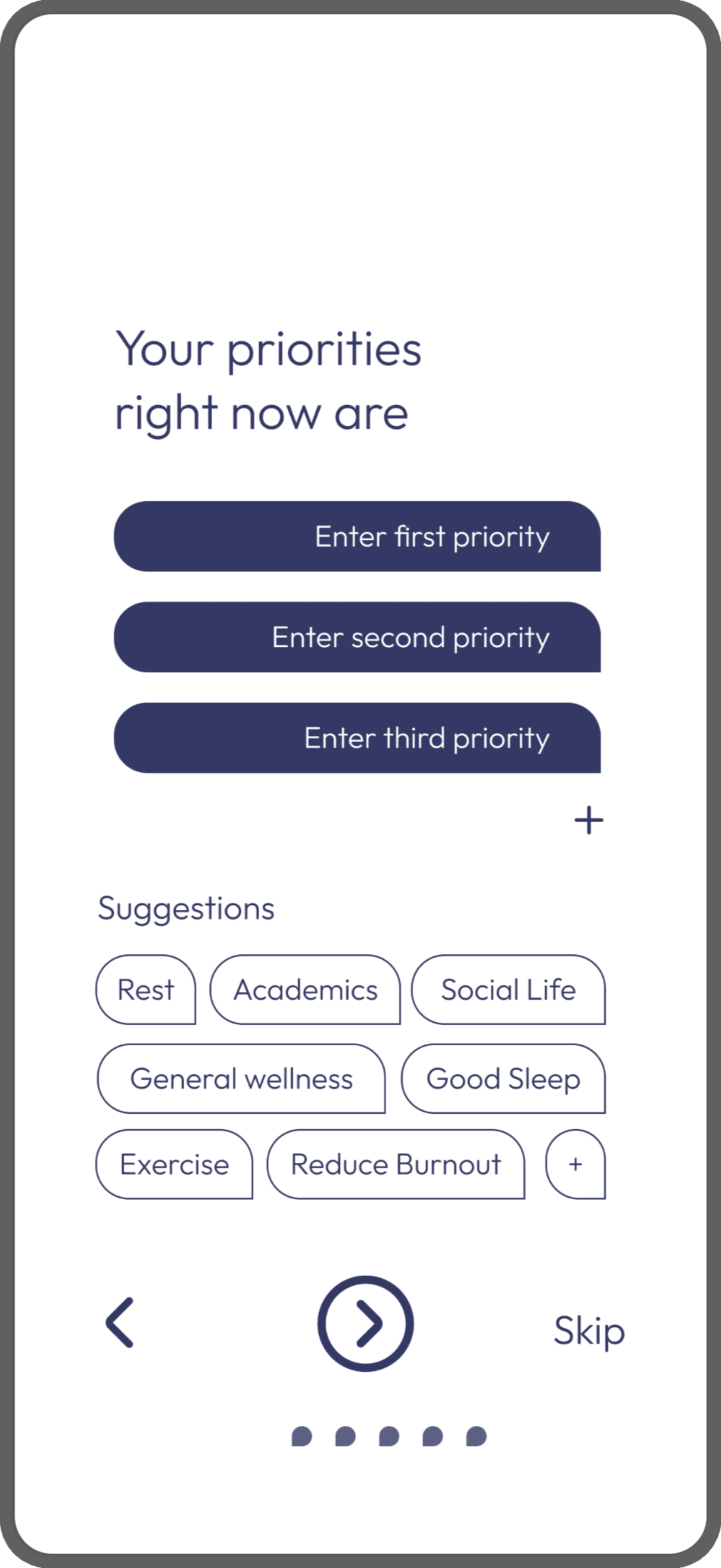
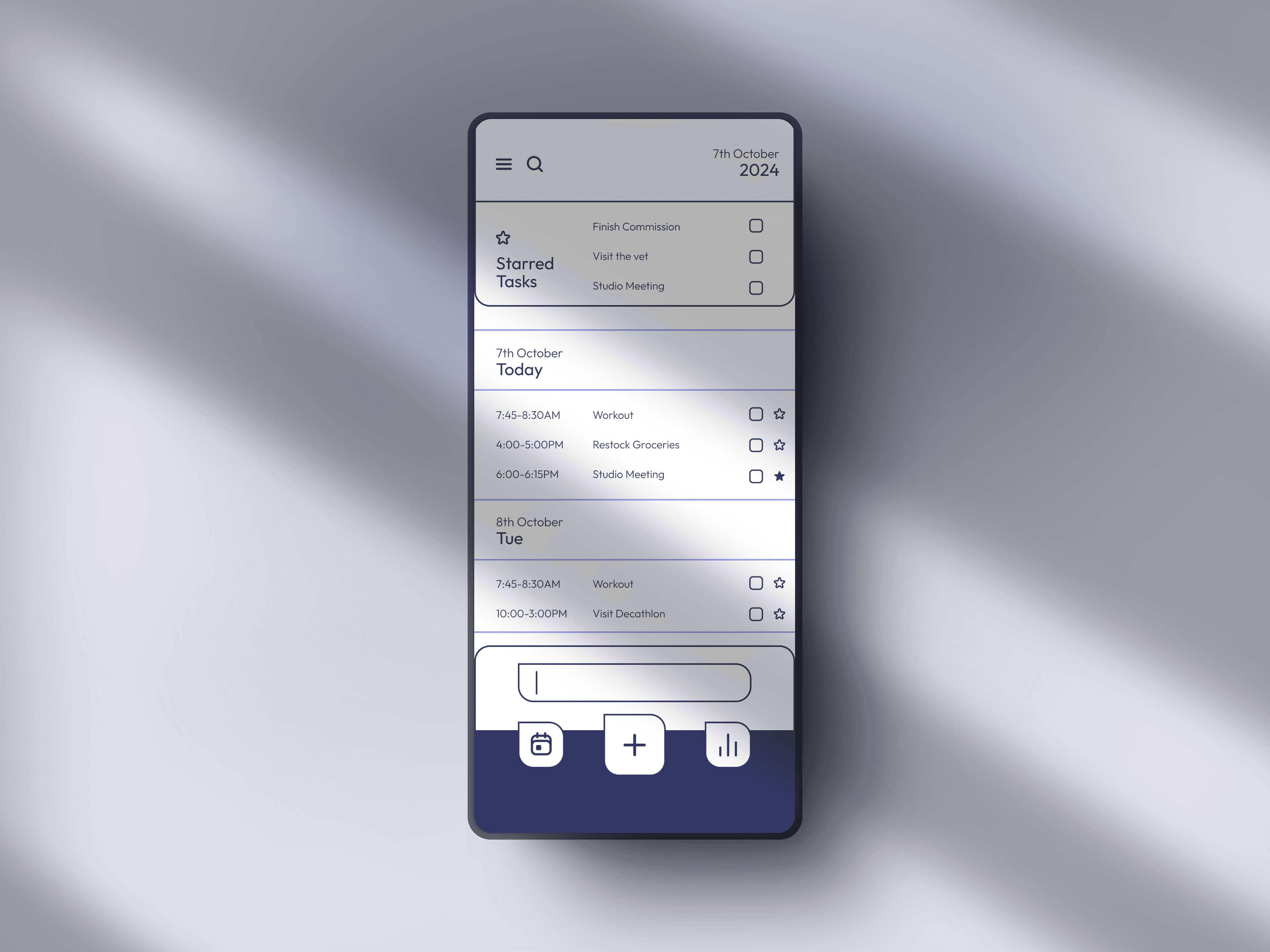
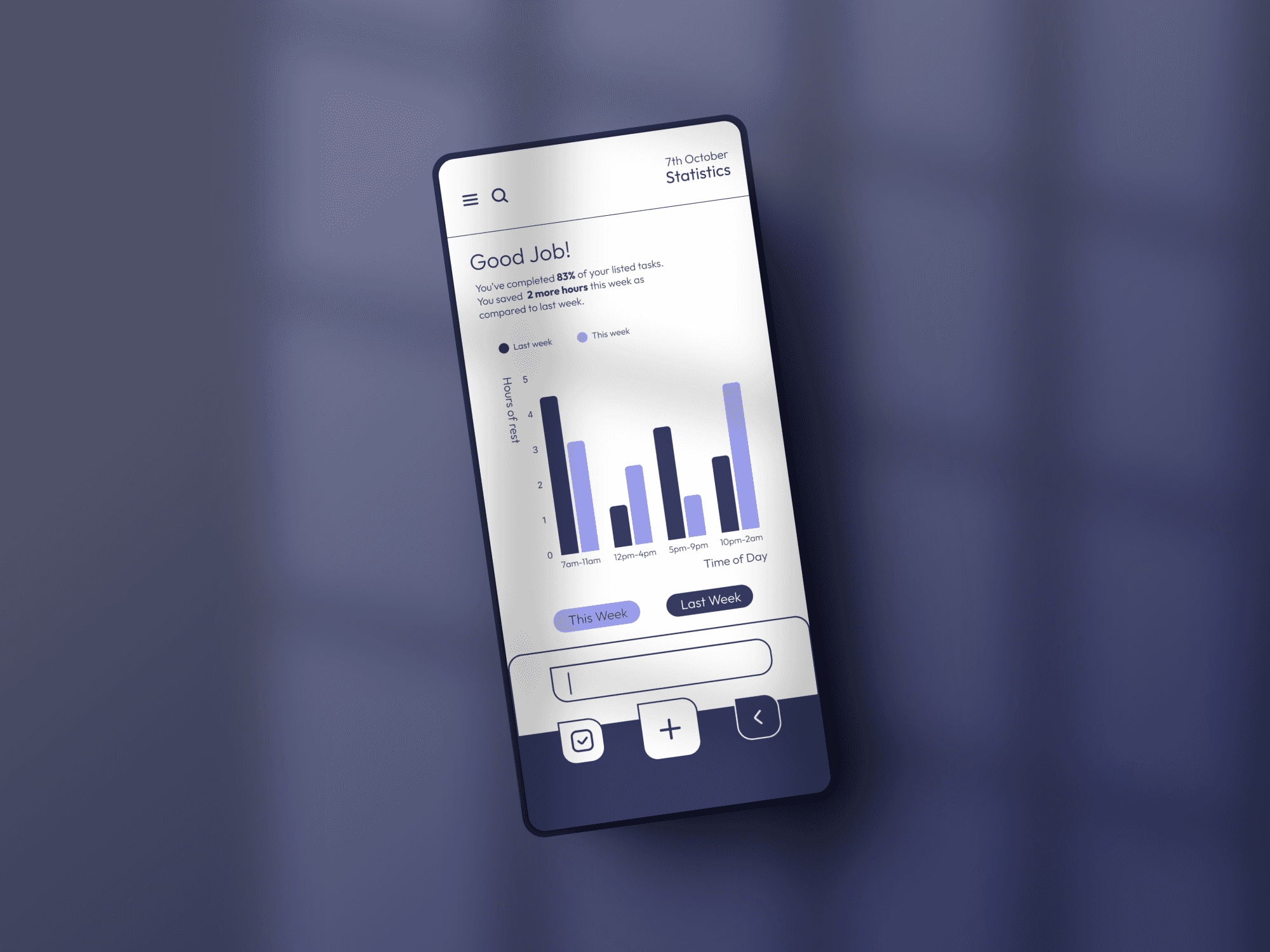
1. An AI-generated, time-blocking app.
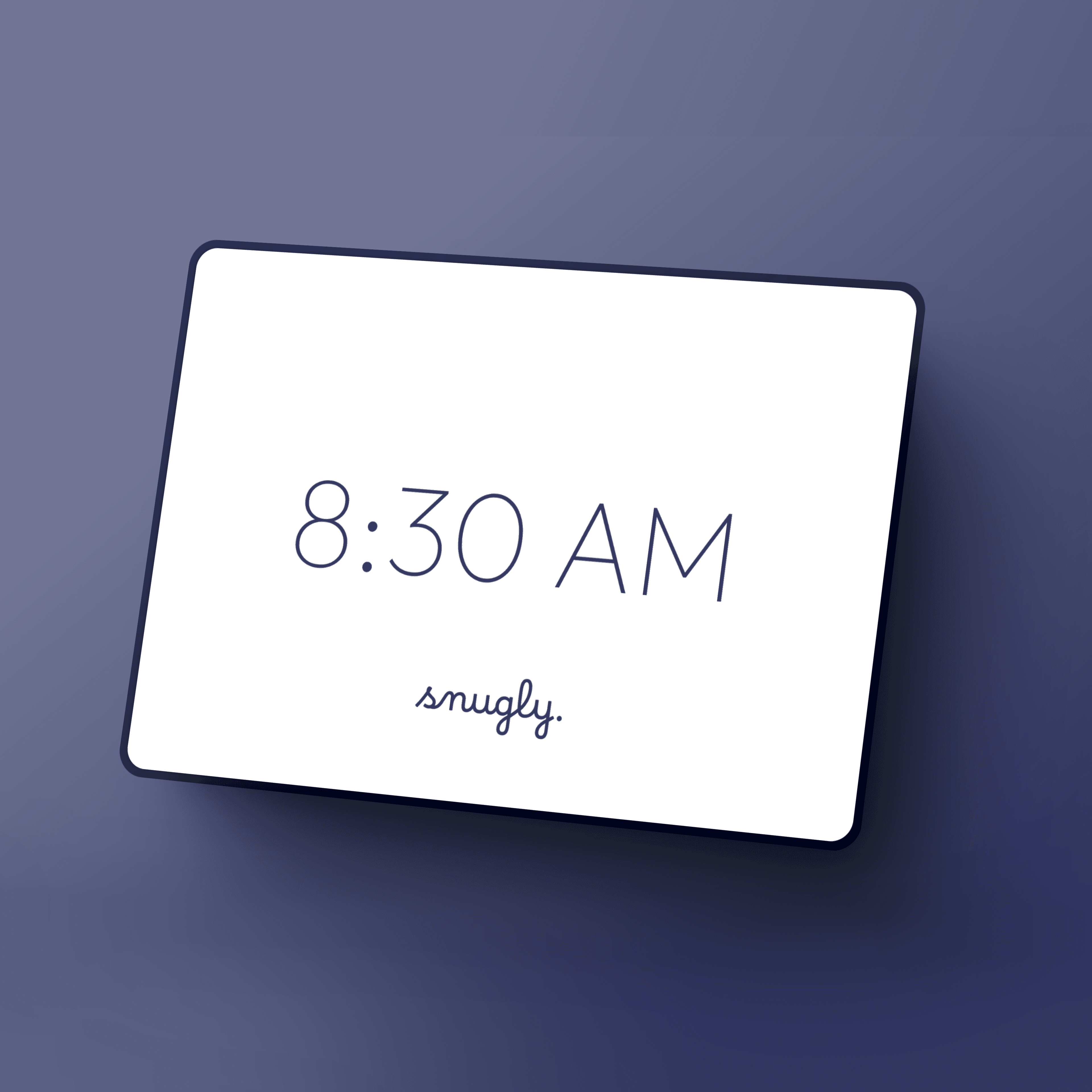
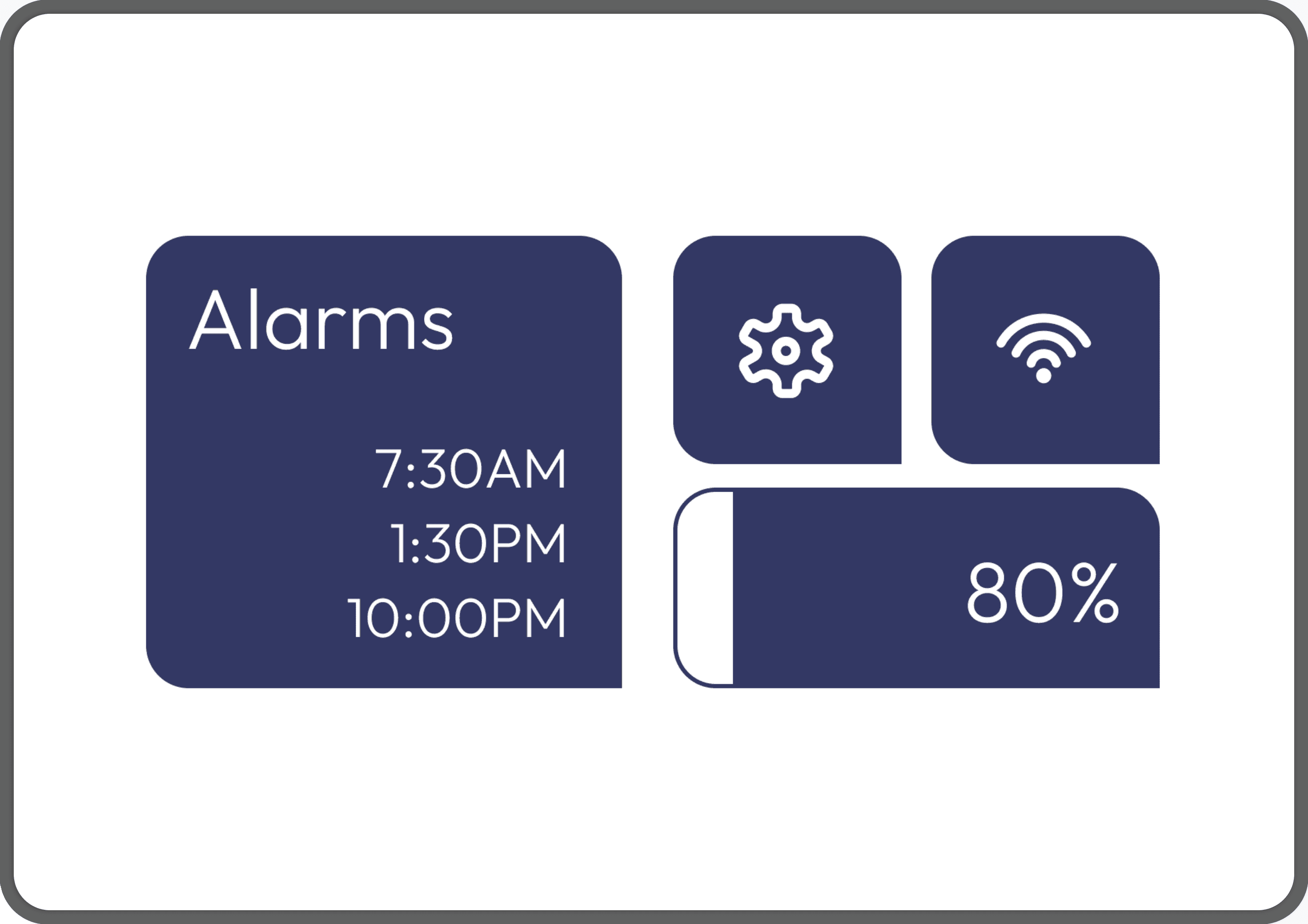
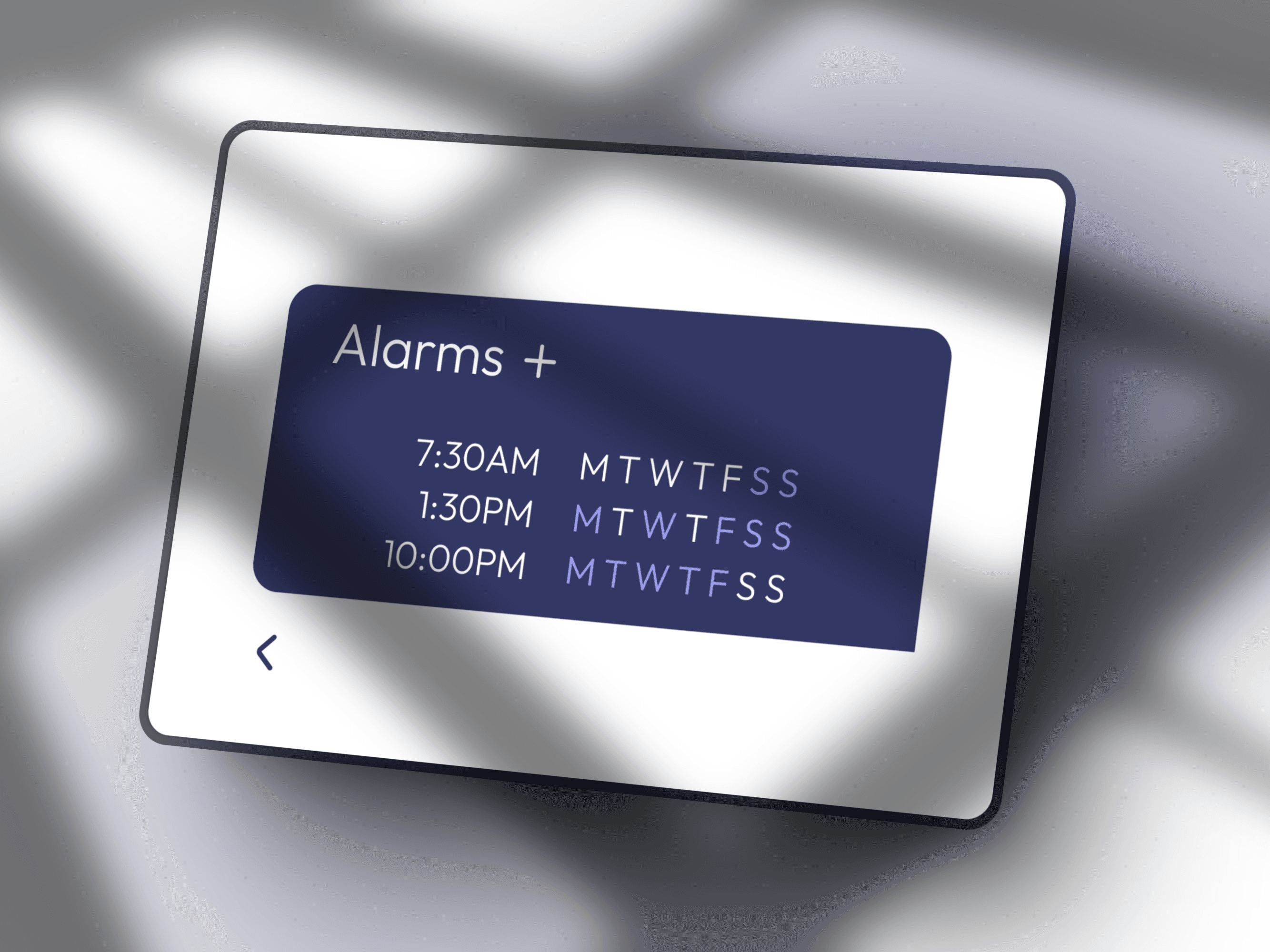
2. An AI alarm clock product.
Approach
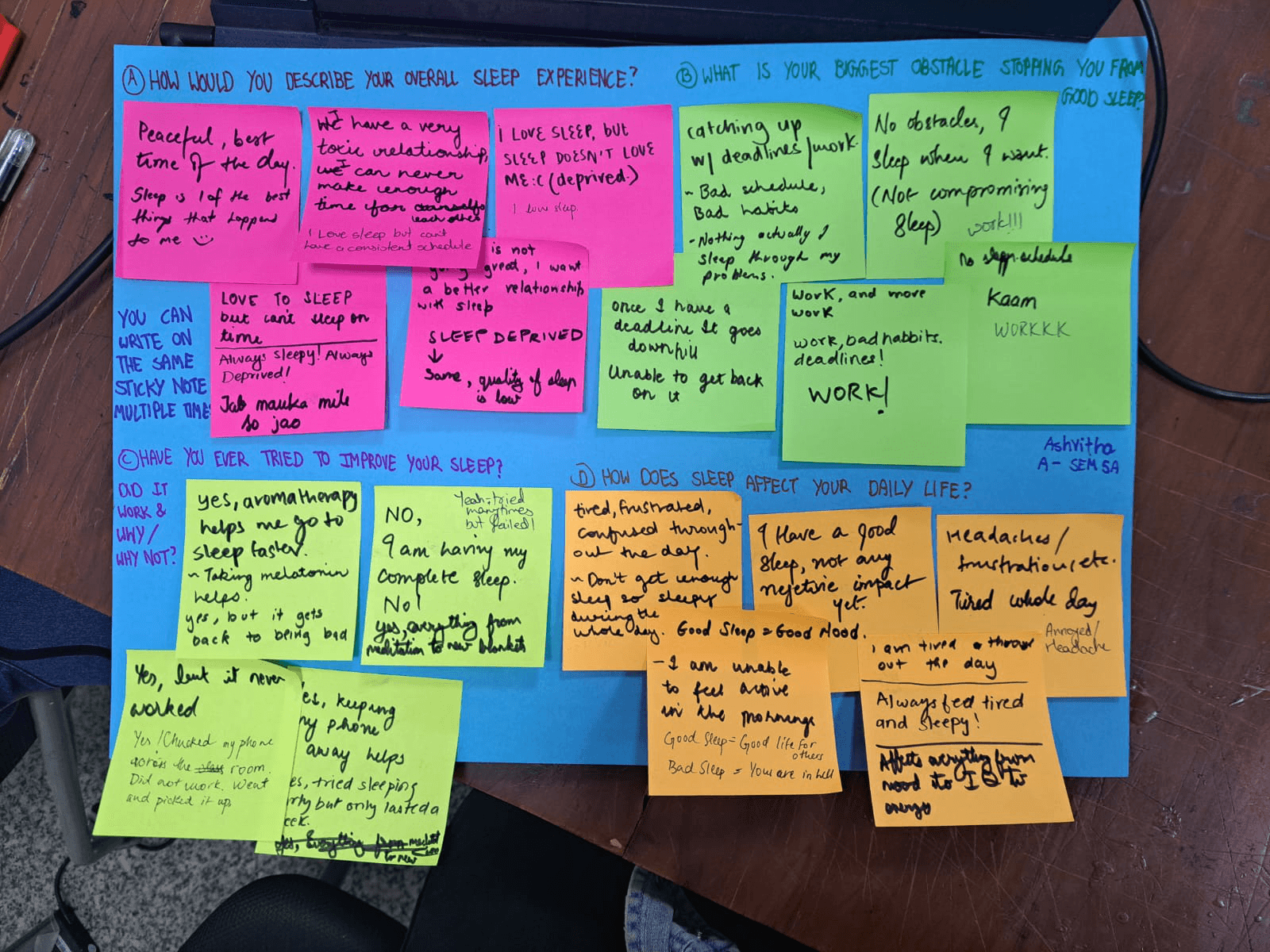
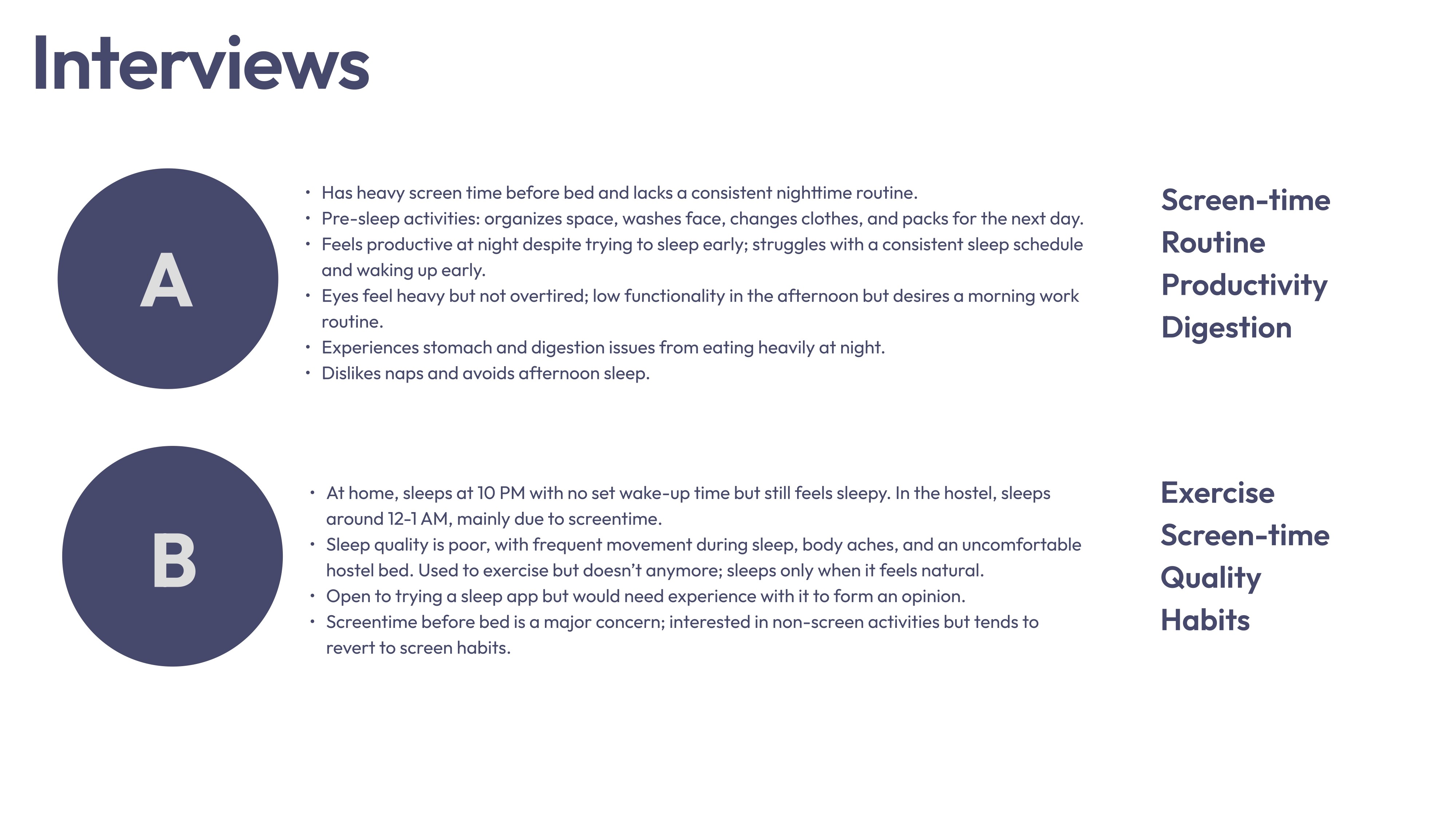
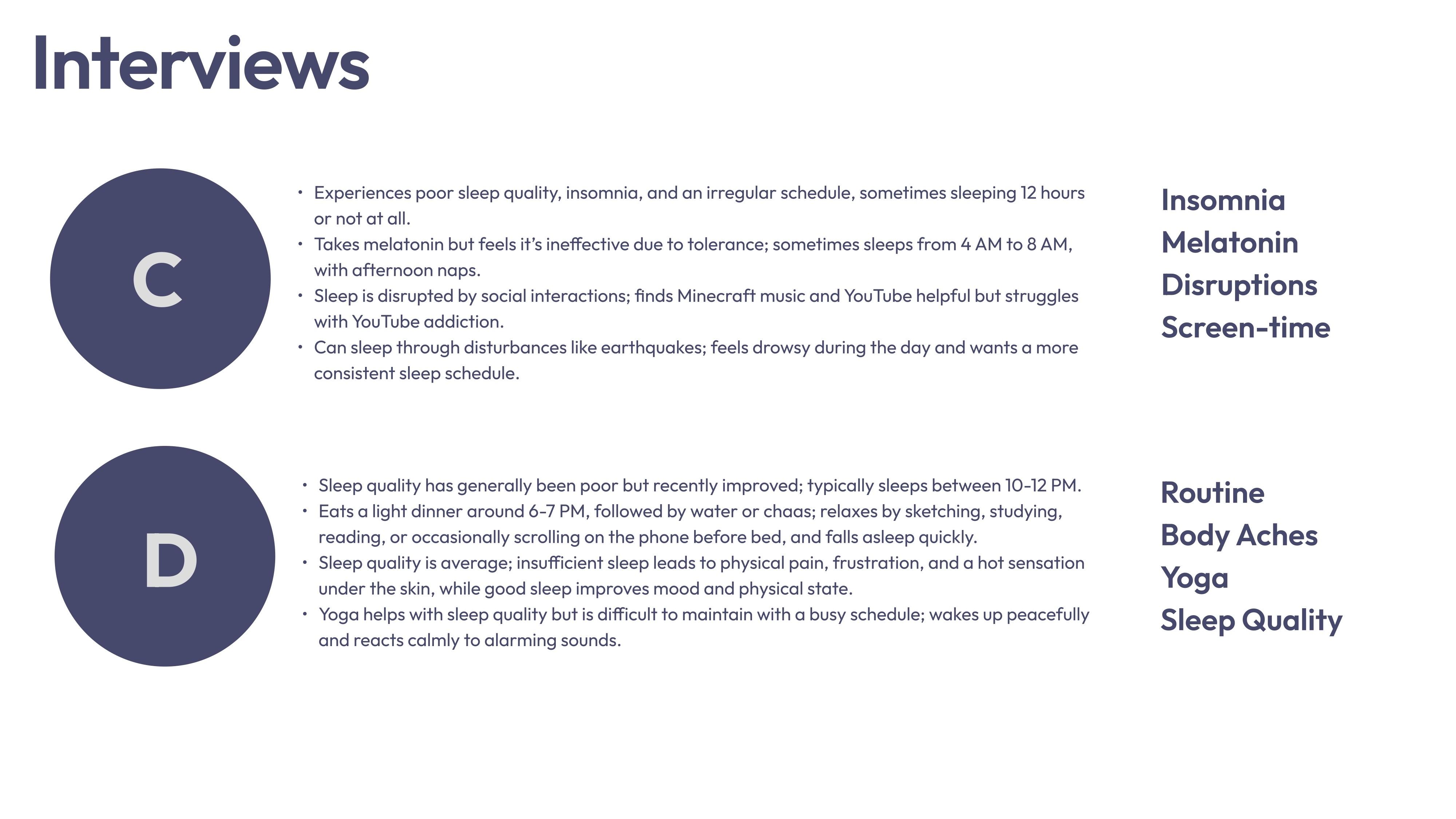
I started off my research with collecting primary data through interviews, along with an online survey sampling students and urban professionals across multiple college bodies.
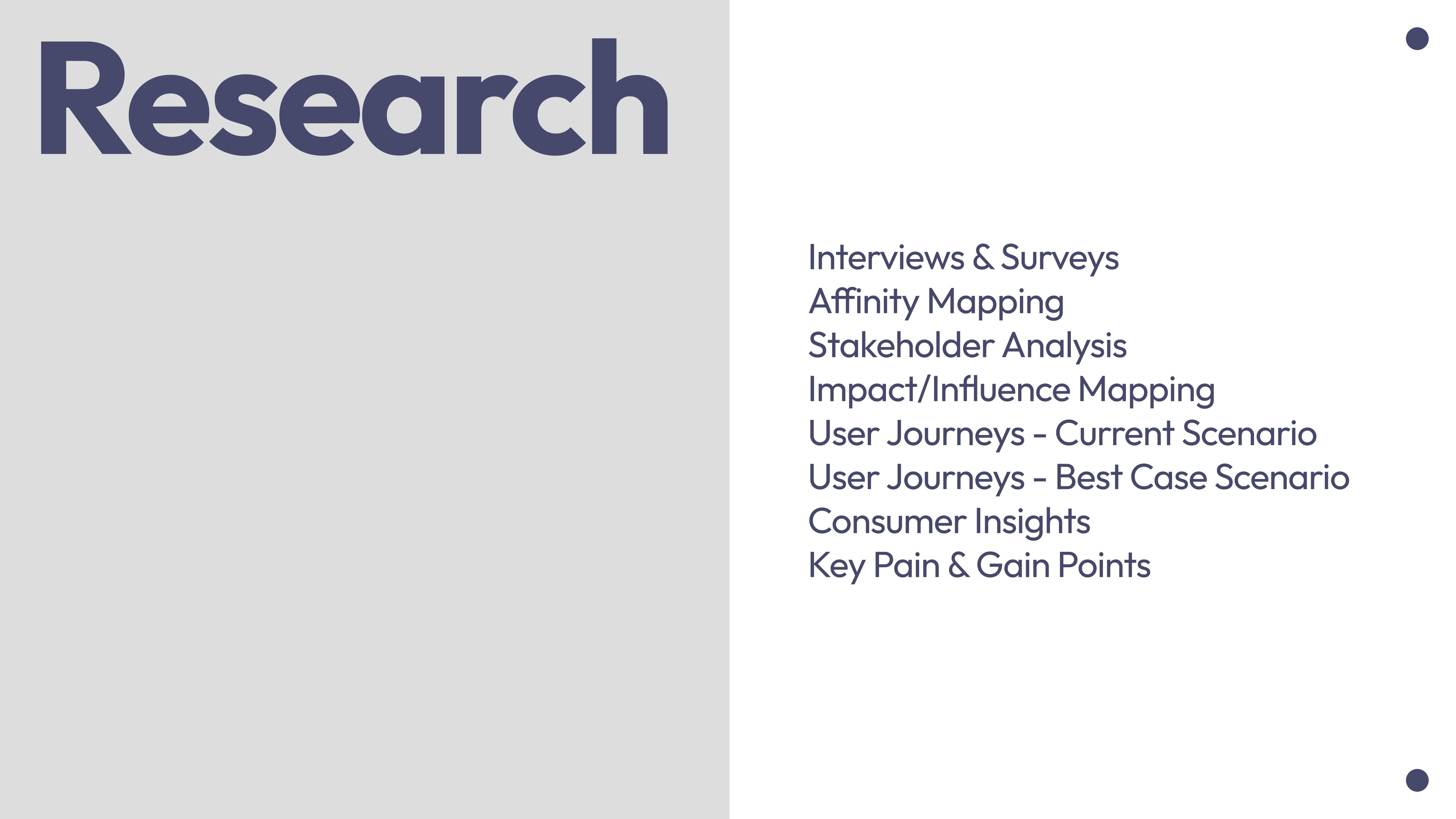
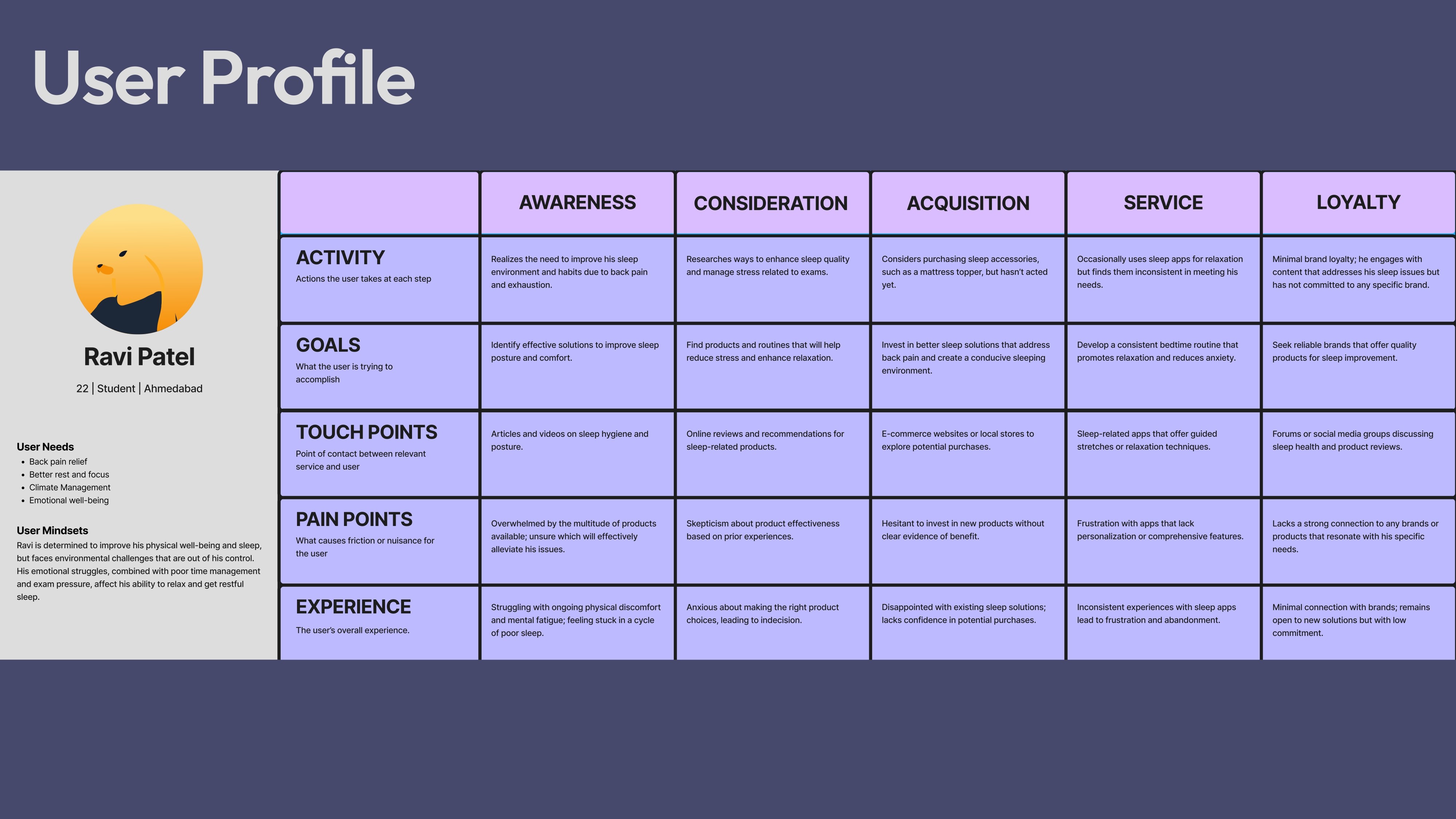
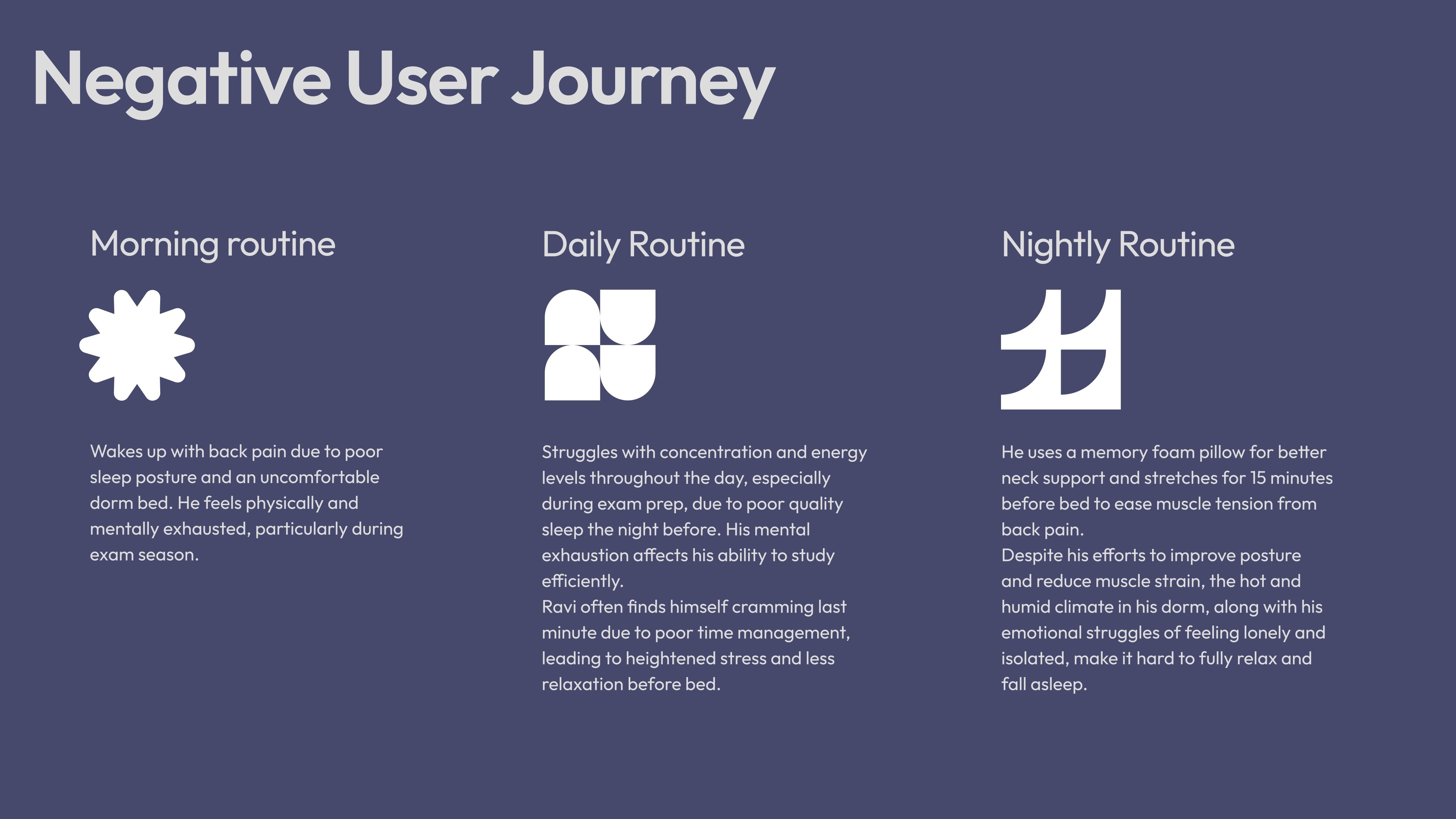
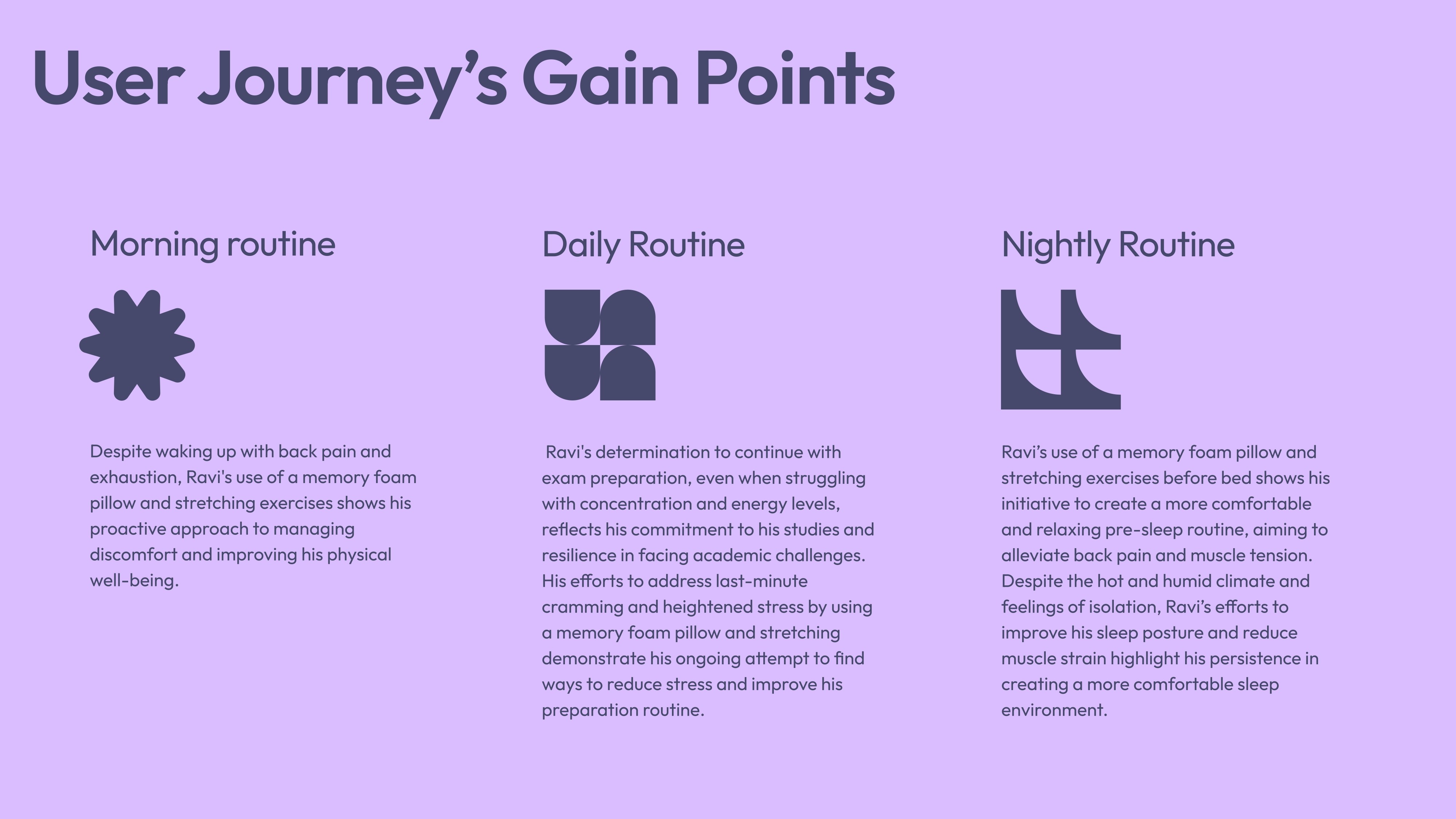
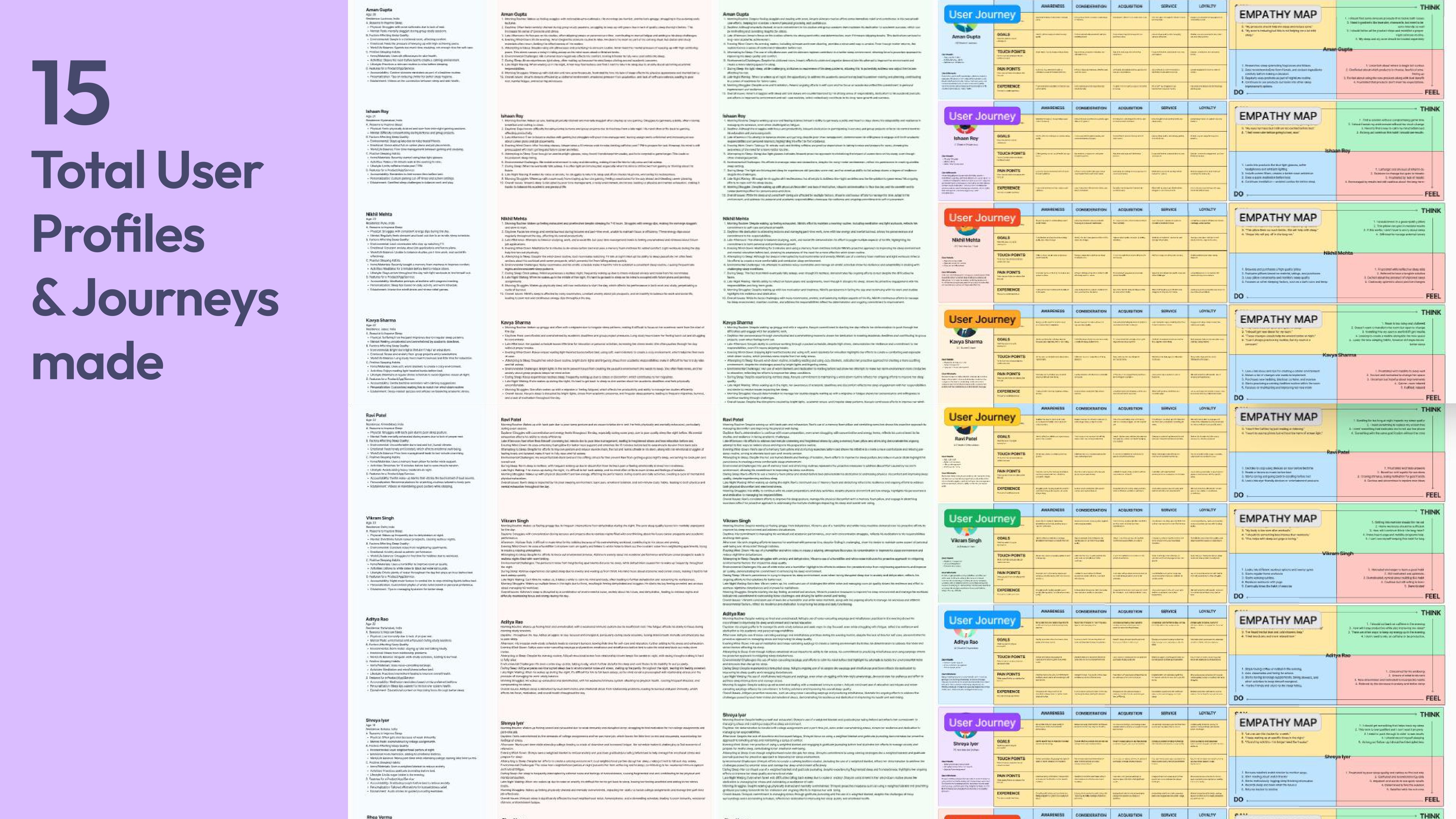
This data was then reviewed through various analysis tools- affinity mapping, user profiling, and user journeys.
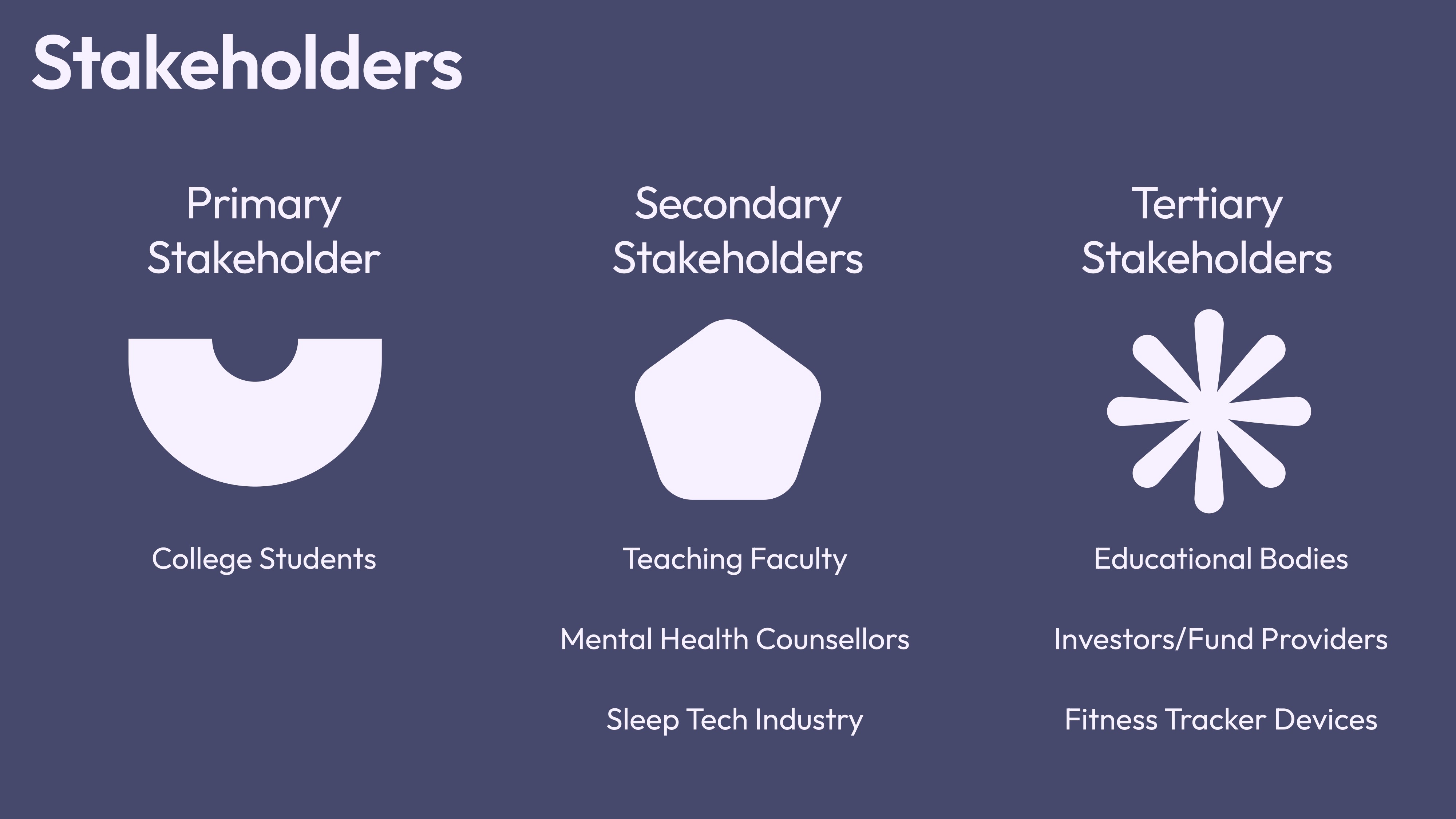
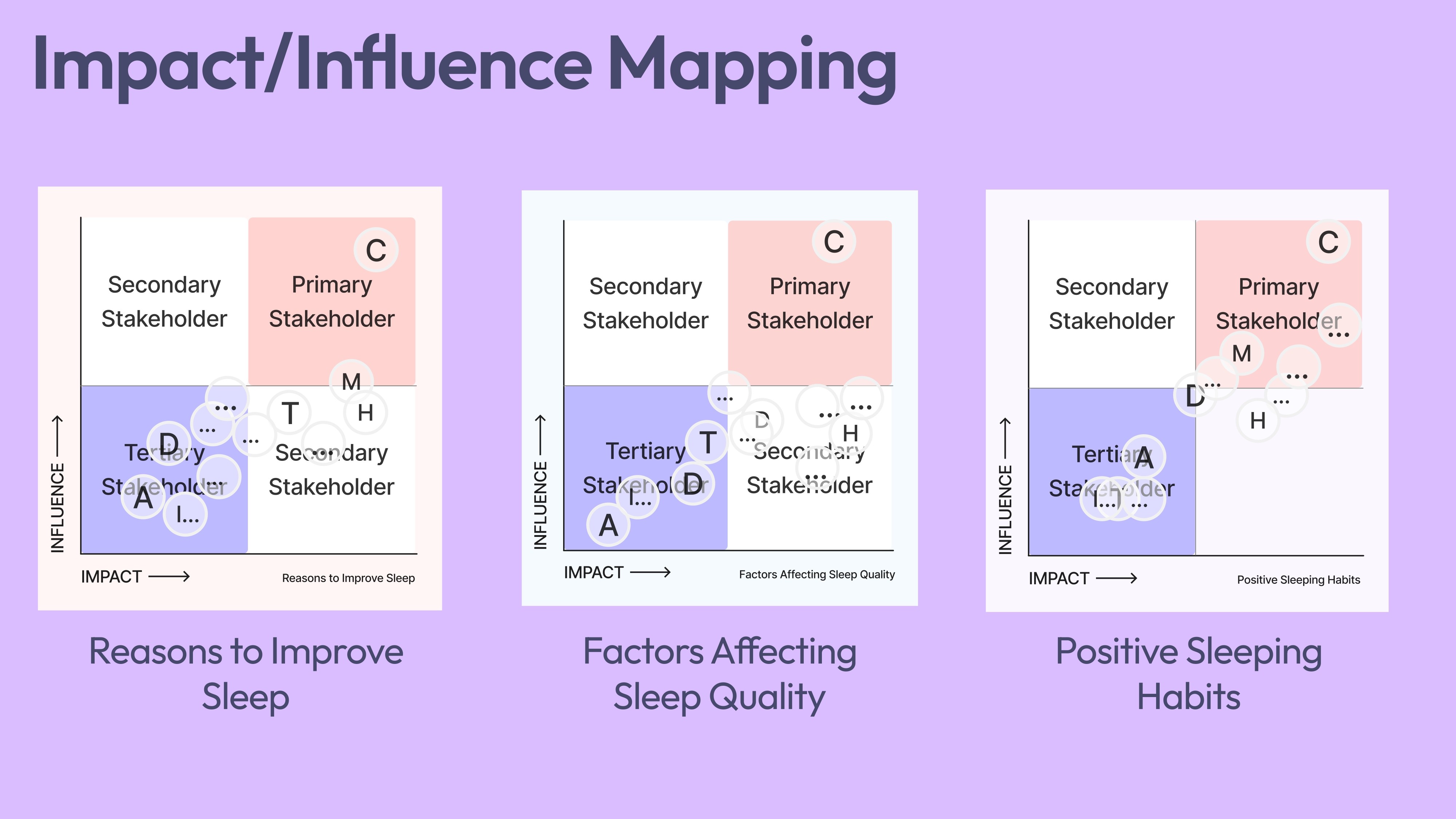
The stakeholders under this issue were put under an impact/influence map to understand how they were affected by the discovered affinities.
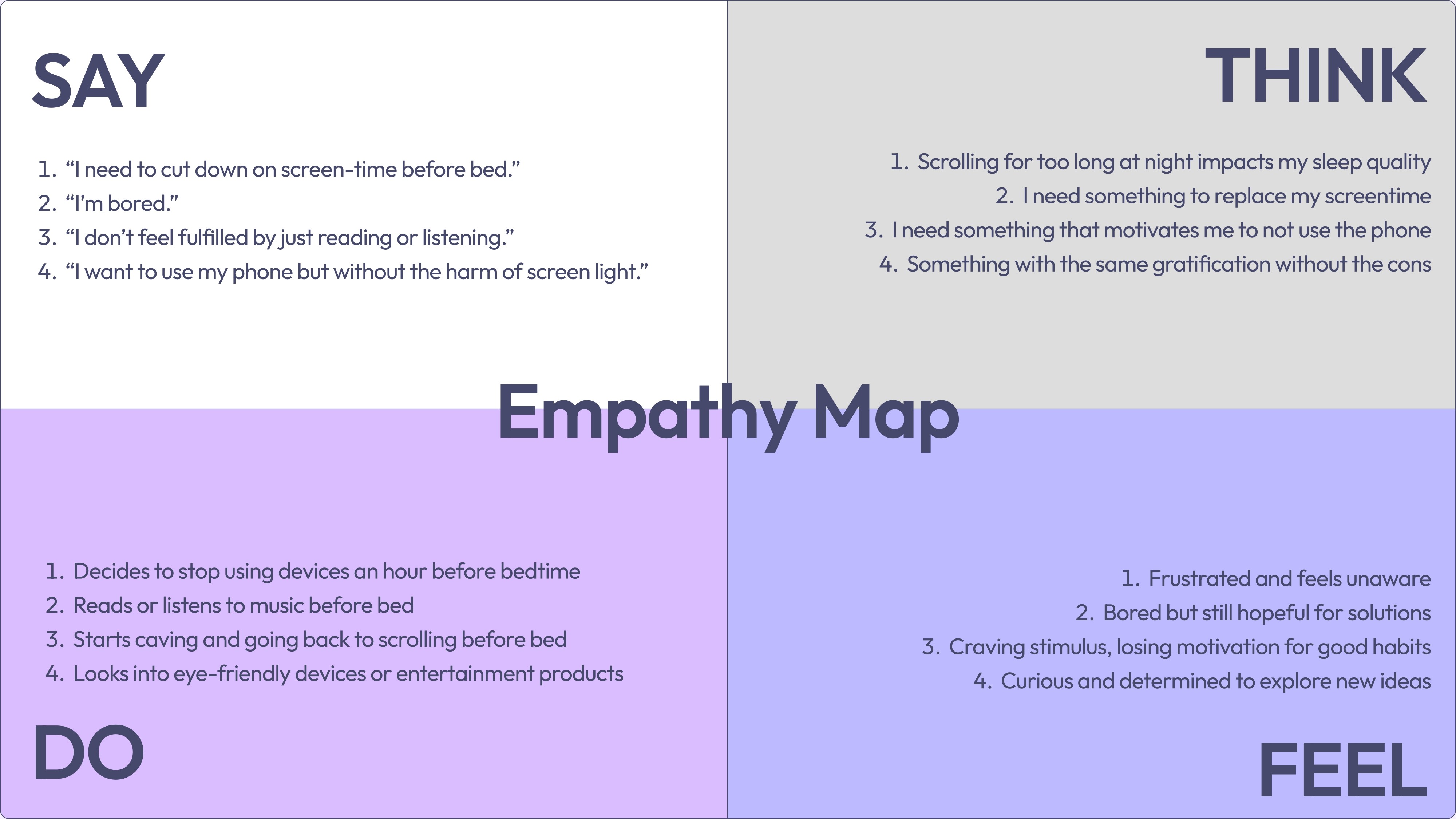
With the help of the user profiles and journeys, along with empathy mapping, I was able to thoroughly dissect the positives and negatives of the user's day-to-day life in regards to their sleeping habits.

Findings
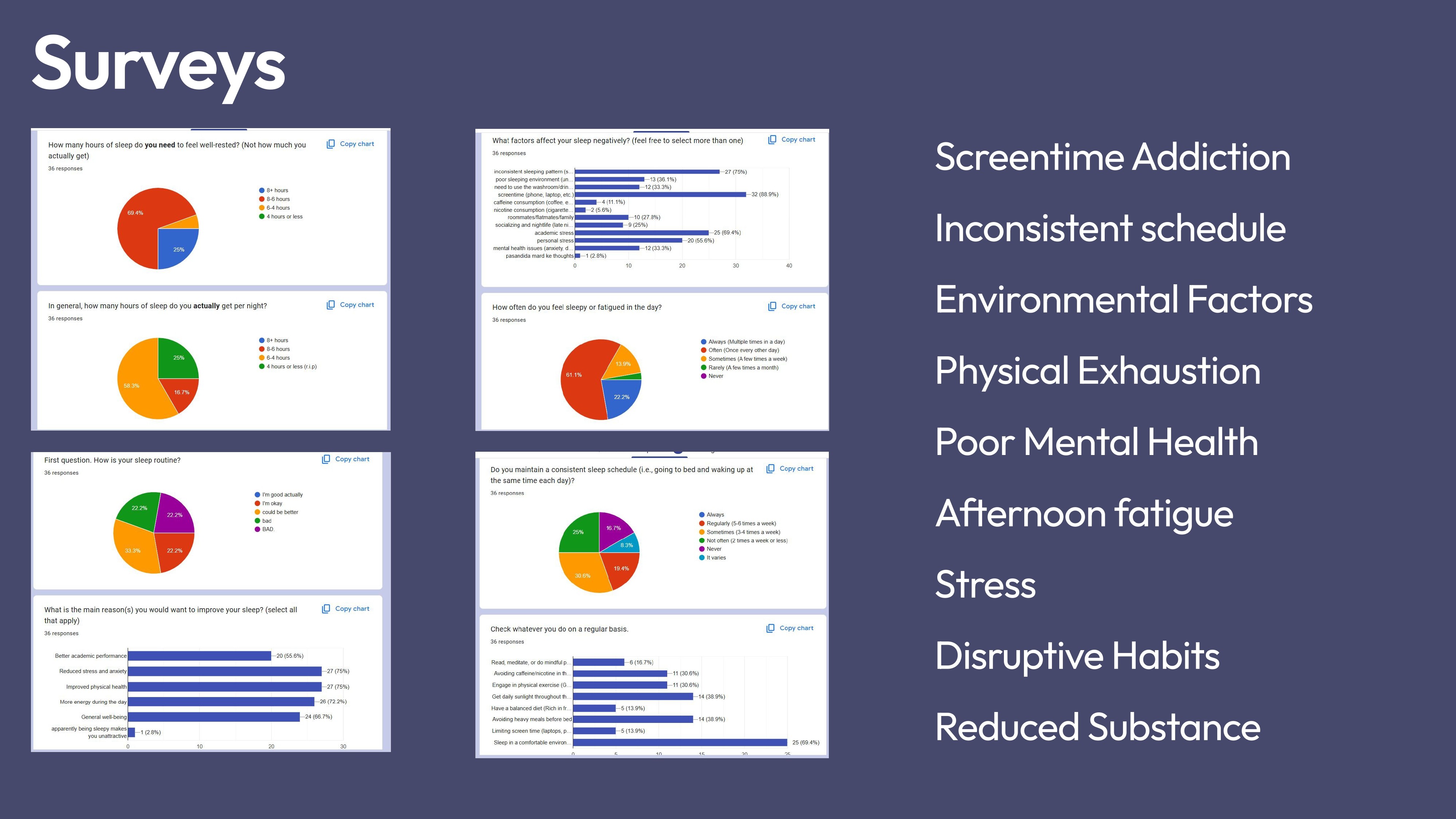
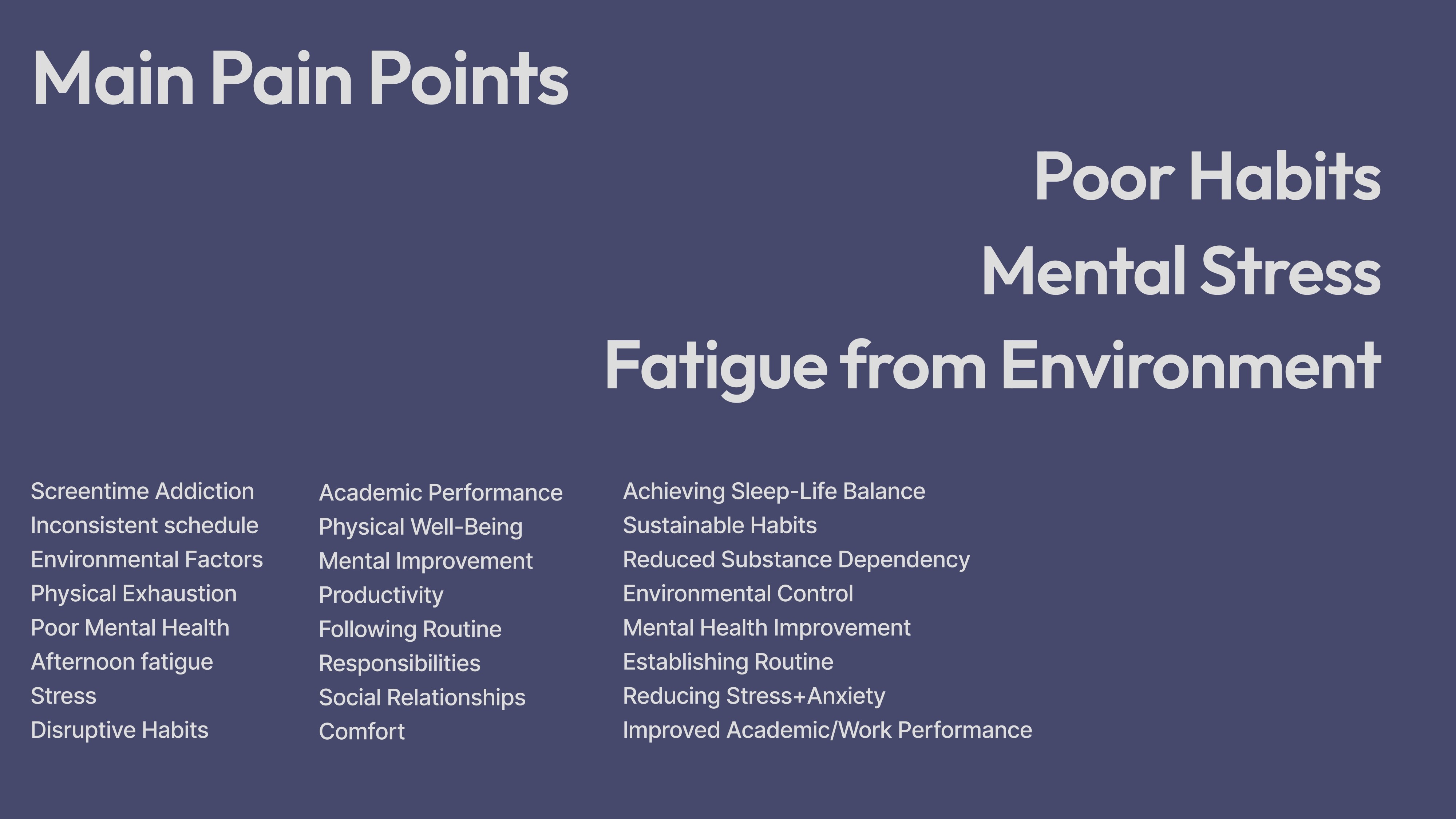
College students and urban professionals struggle with sleep mainly because of excessive screentime, inconsistent schedules, environmental disruptions, and mental stress.
Many rely on temporary aids like melatonin, which loses effectiveness over time. Poor sleep leads to physical exhaustion, mental health challenges, and afternoon fatigue.
Disruptive habits such as late-night snacking and gaming further affect their sleep quality. External factors like noisy roommates and uncomfortable bedding create additional barriers. The resulting sleep deprivation contributes to burnout, weakened immunity, and reduced productivity in both academic and professional settings.
Learnings
Students and professionals often recognise the importance of sleep for, but the struggle is with maintaining healthy habits.
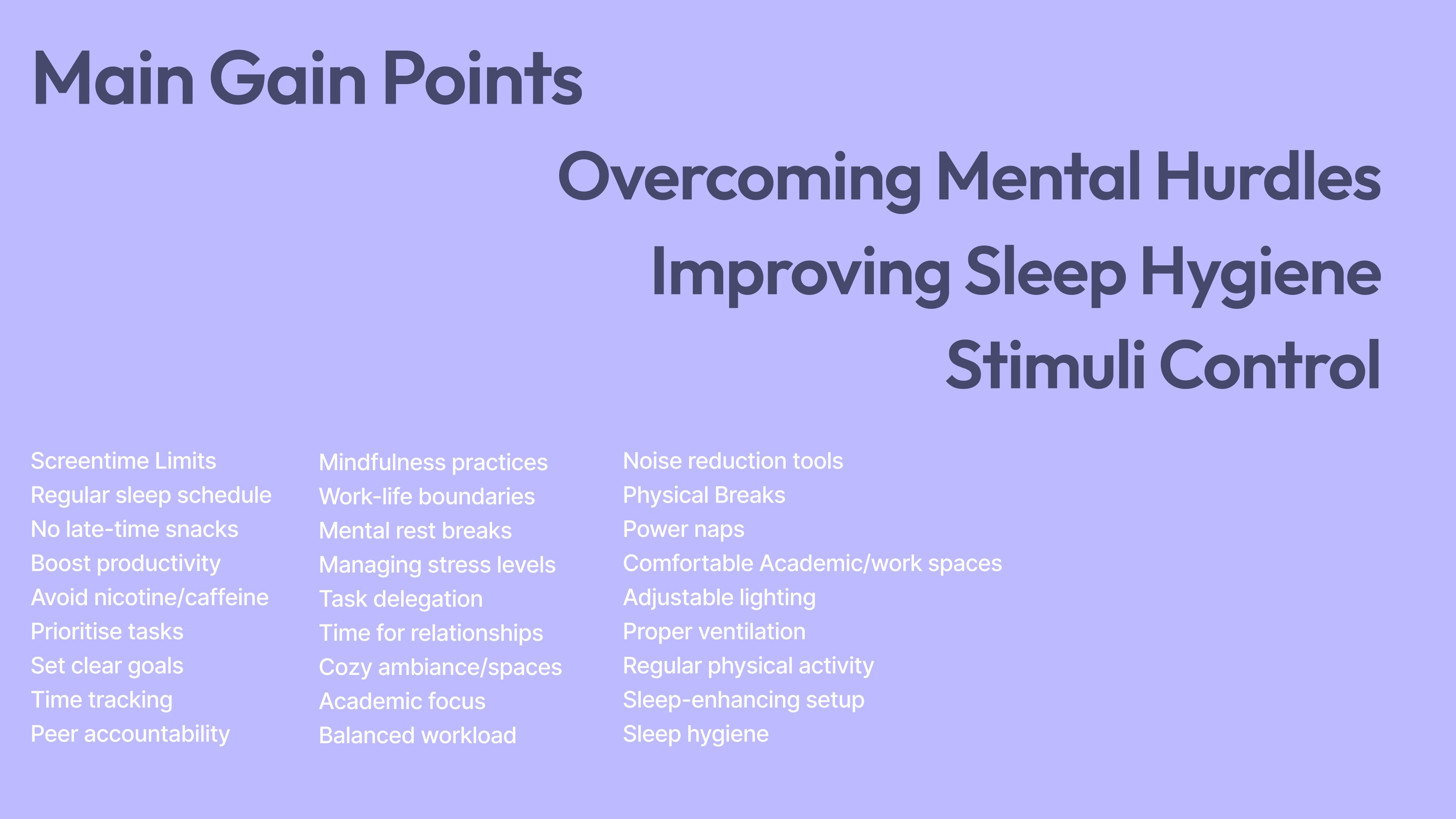
They seek structured, personalized solutions to improve consistency and accountability. Many want to move away from temporary fixes like melatonin and focus on sustainable routines.
Environmental control, stress reduction, and balancing academic or work-life demands are critical for better sleep. The desire for self-care, improved social interactions, and better physical health motivates users to prioritize sleep, but external disruptions and personal habits often create obstacles.
This figjam file documents my entire research process from problem identification to outcome ideation.
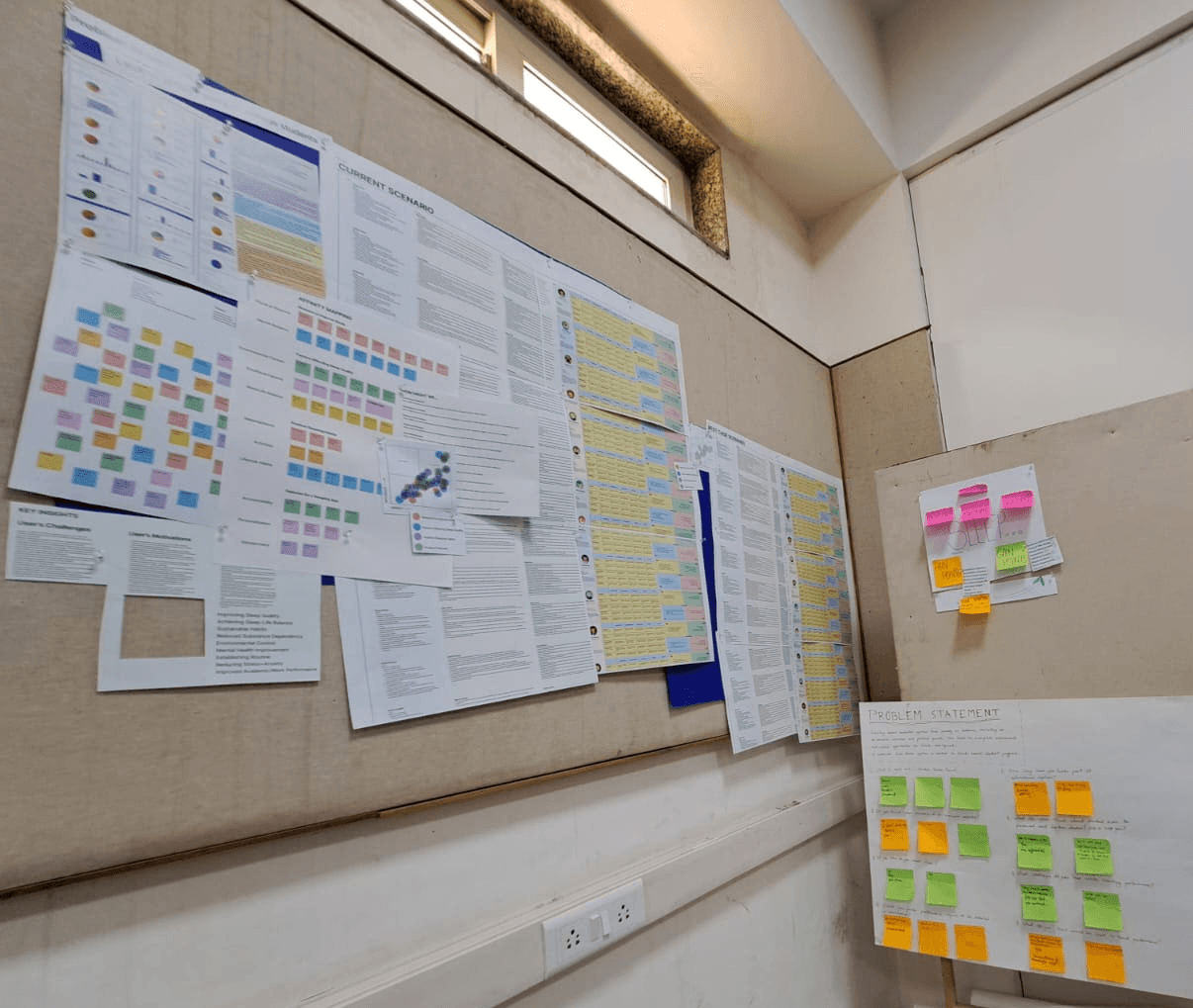
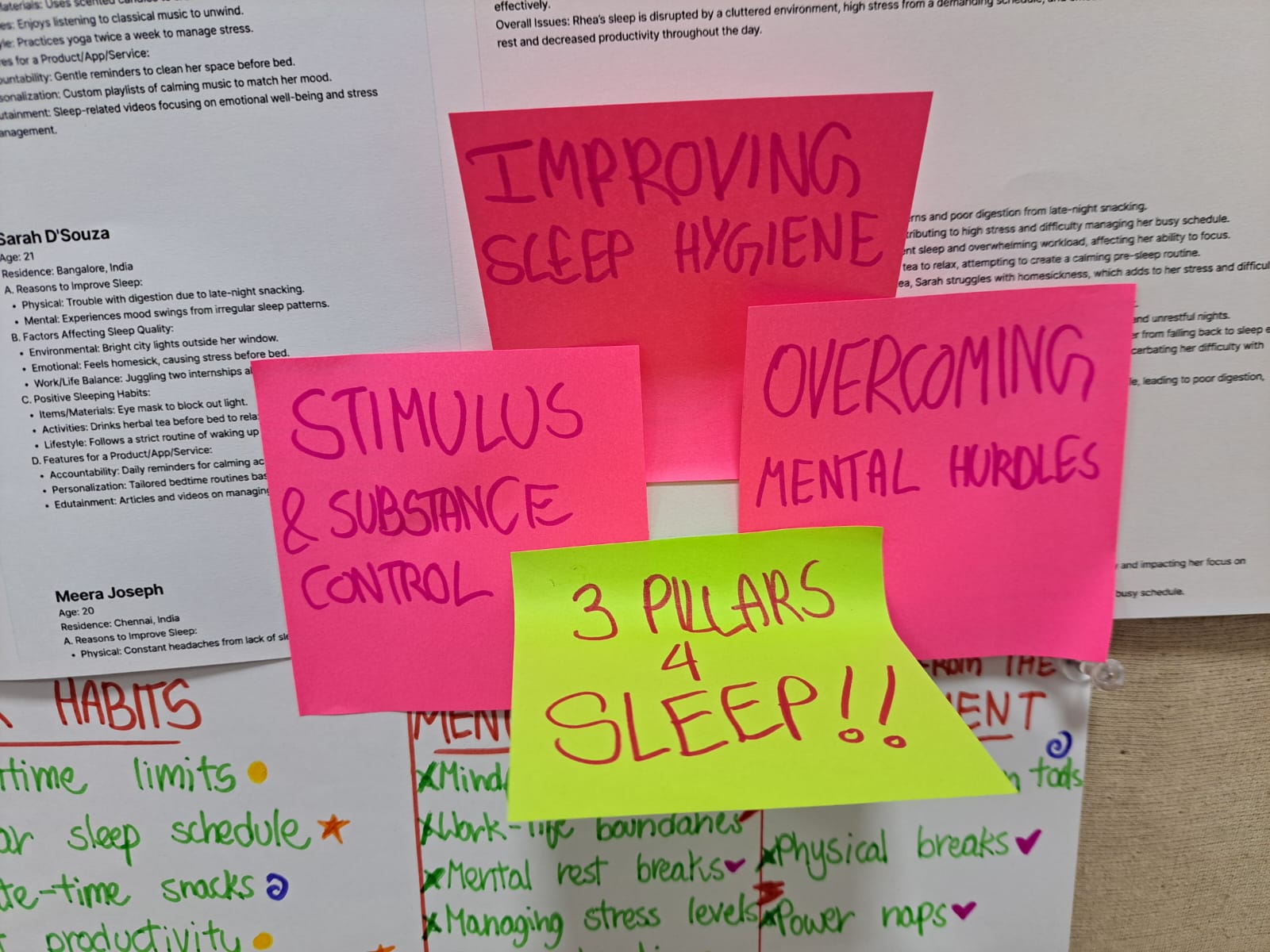
User insights, visualization of research, and final key points surrounding the problem statement.
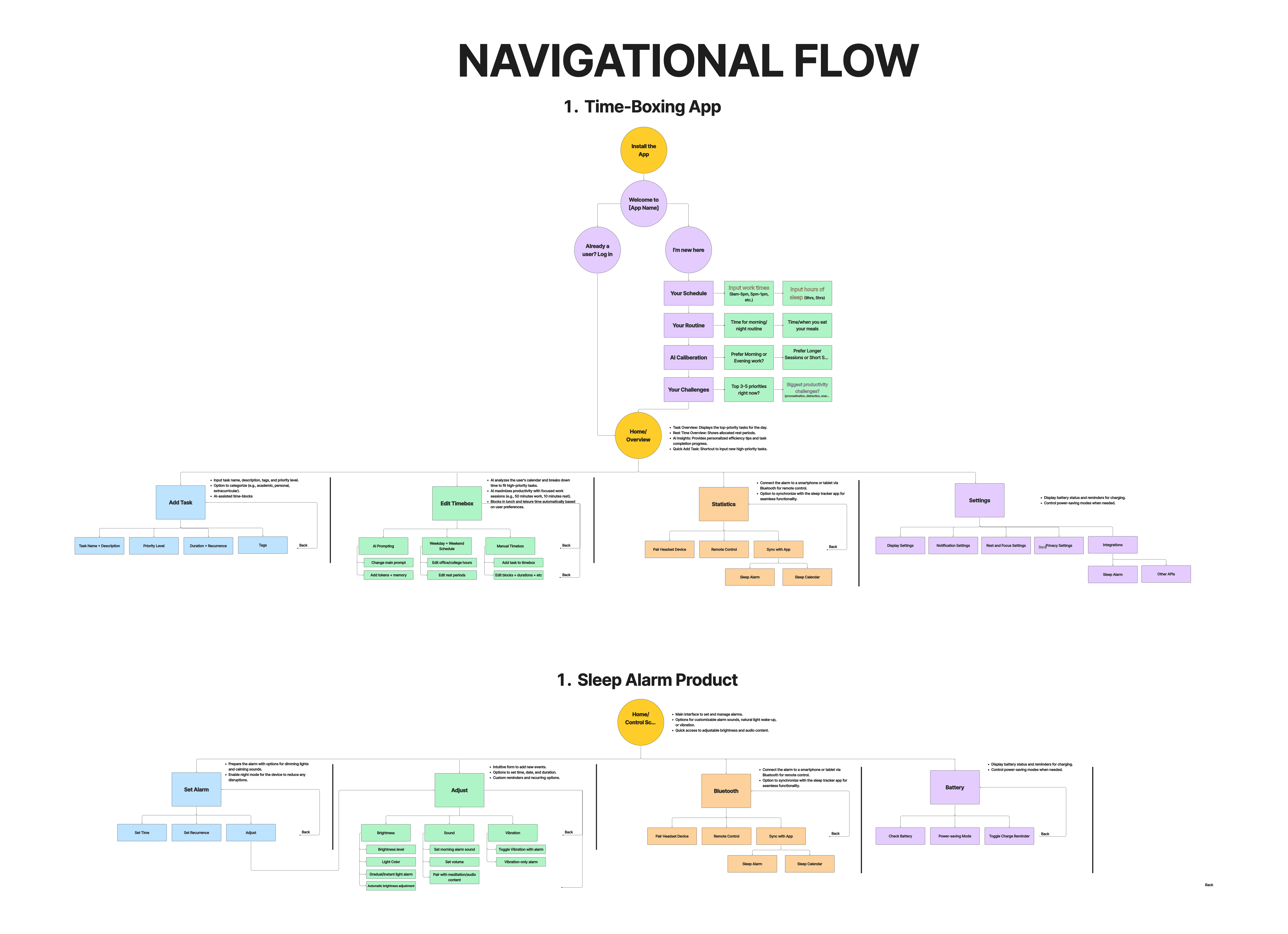
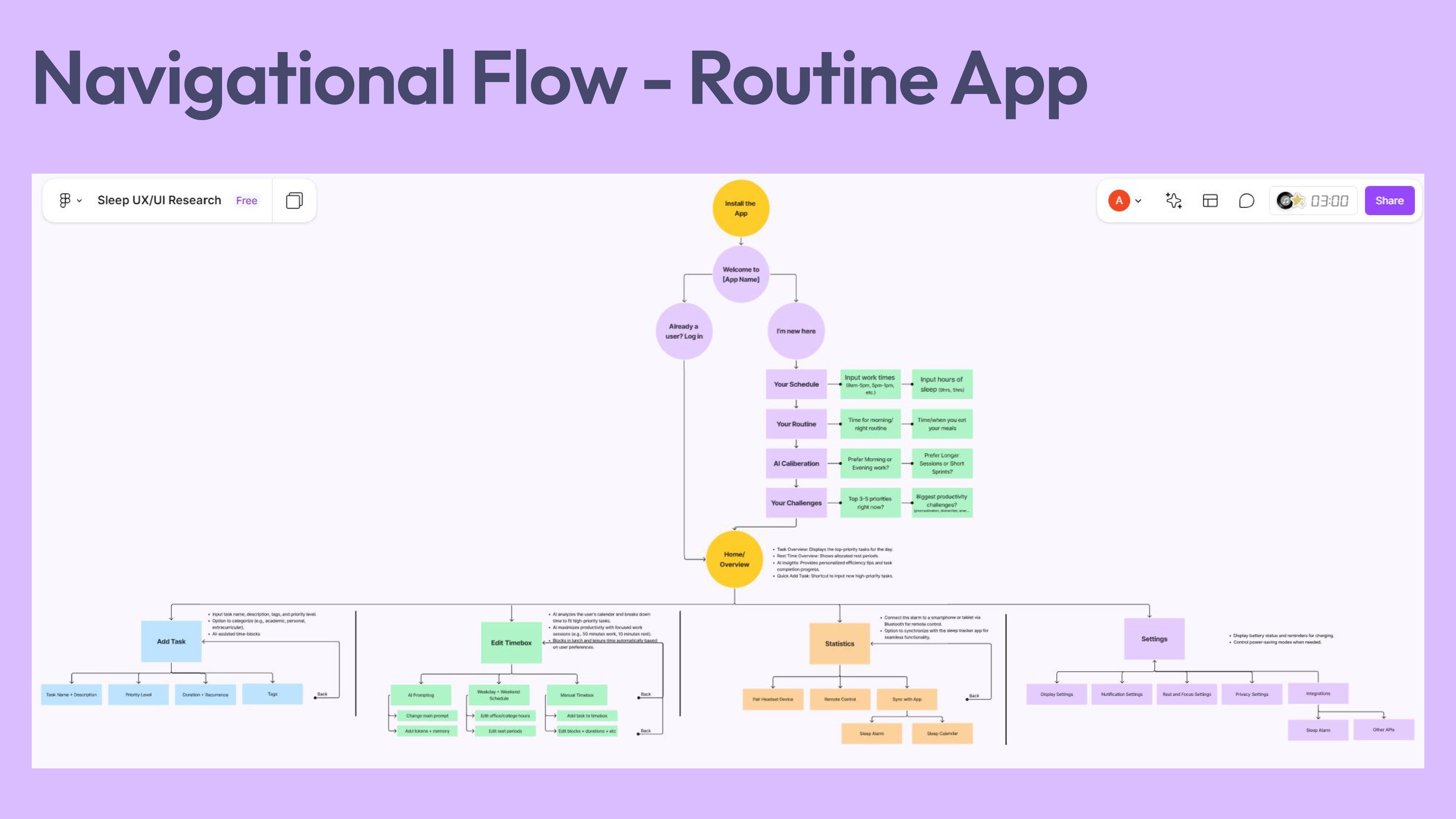
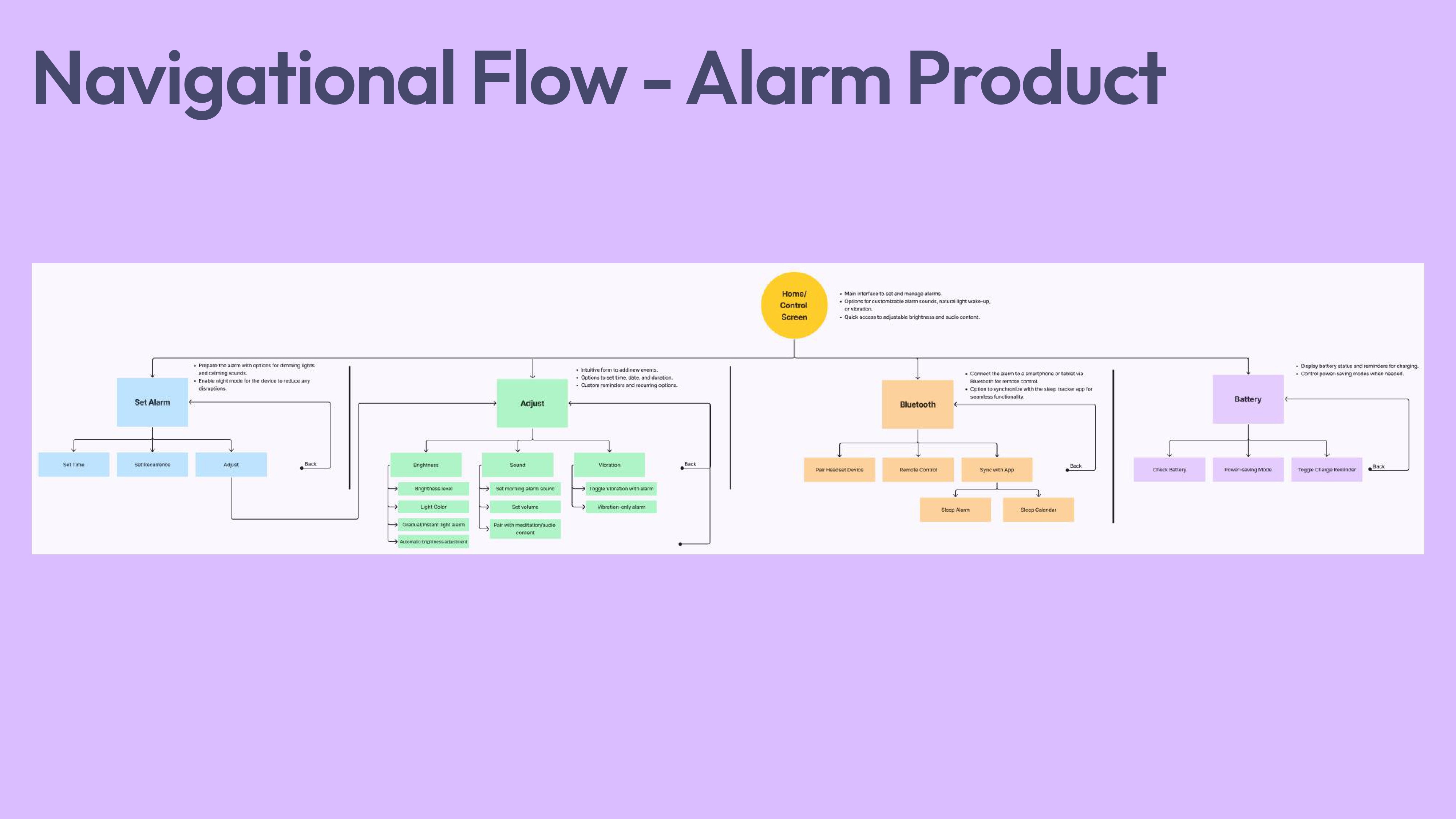
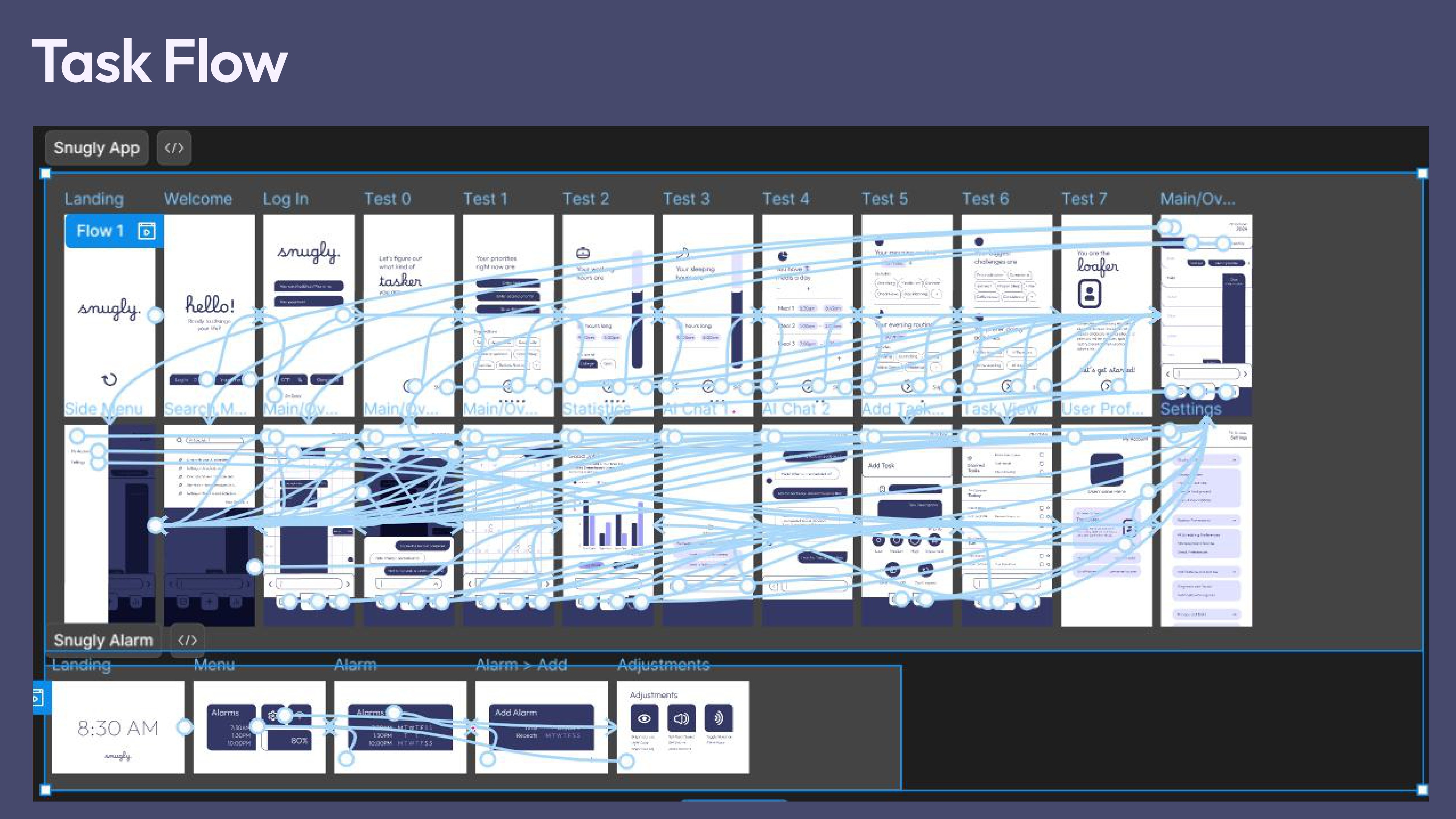
Navigational Flow constructed for the UI/UX system.
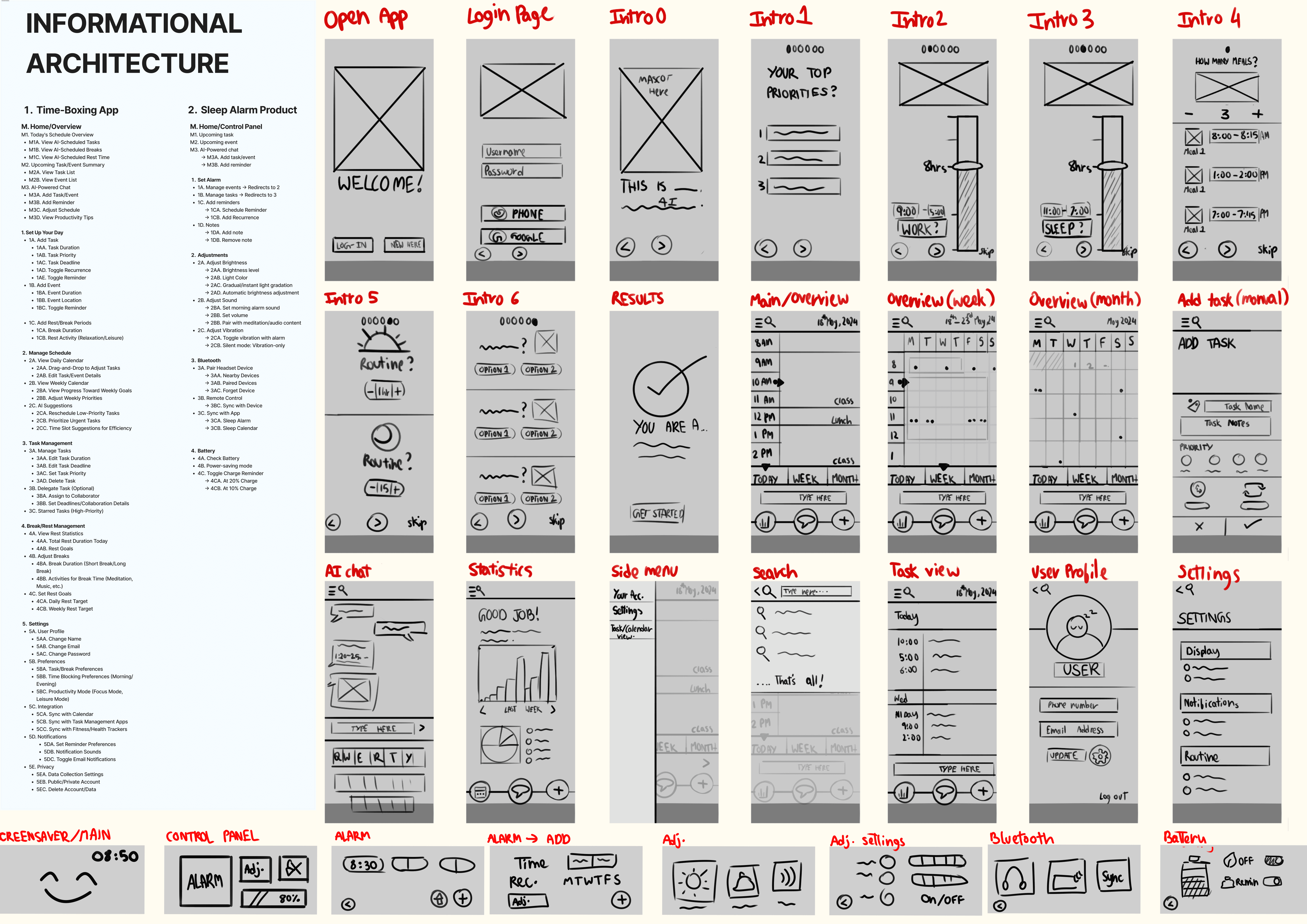
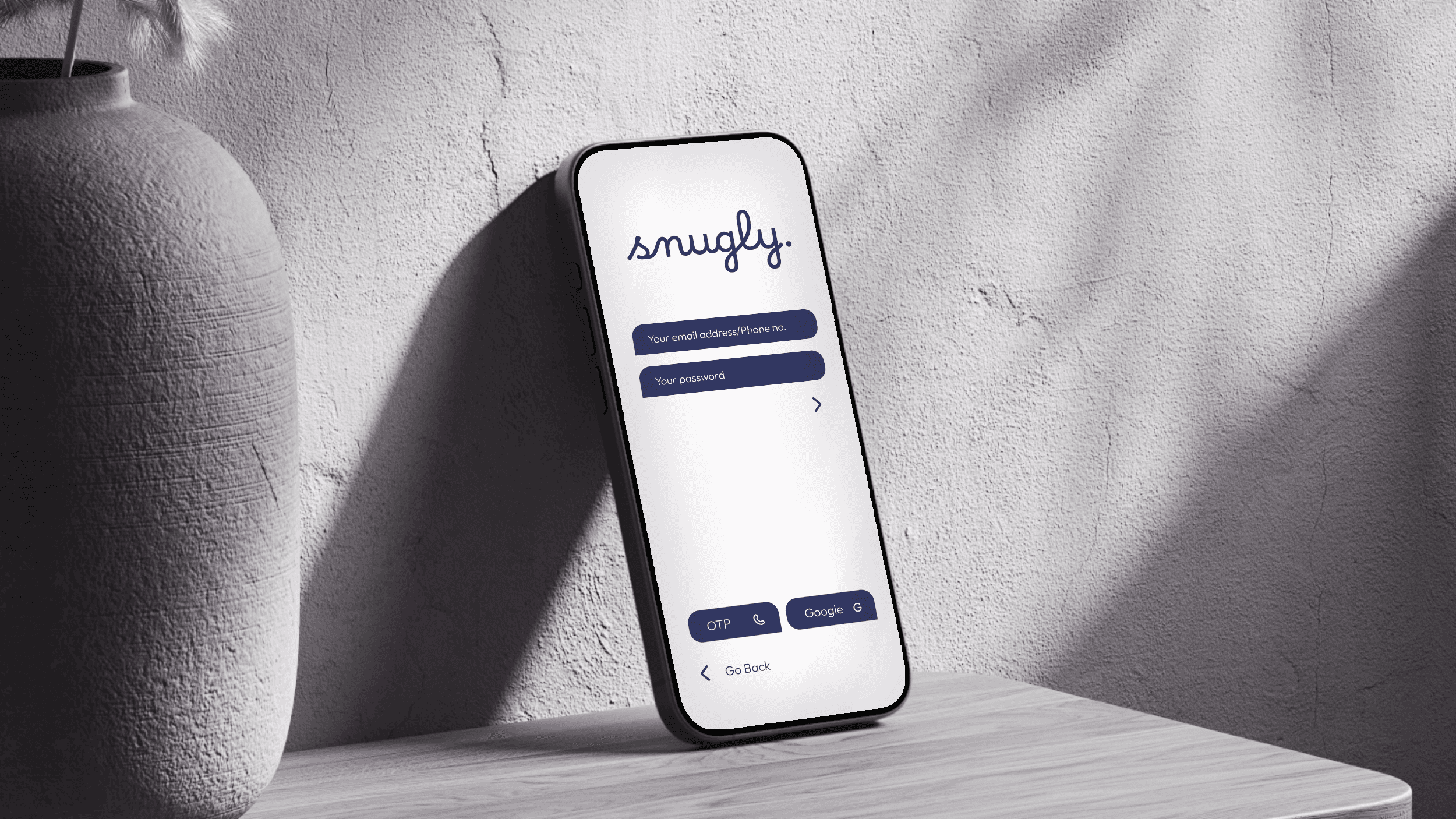
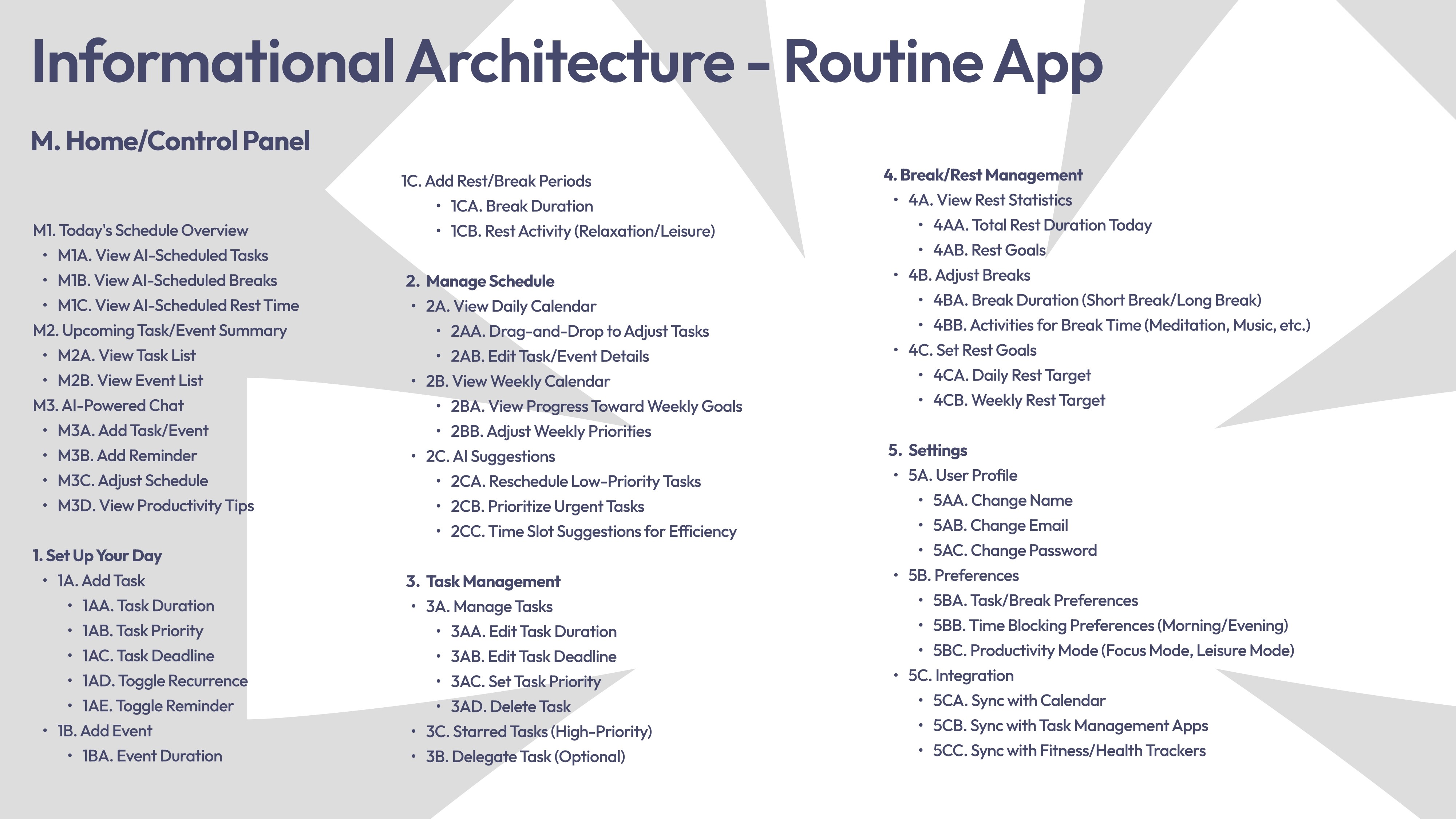
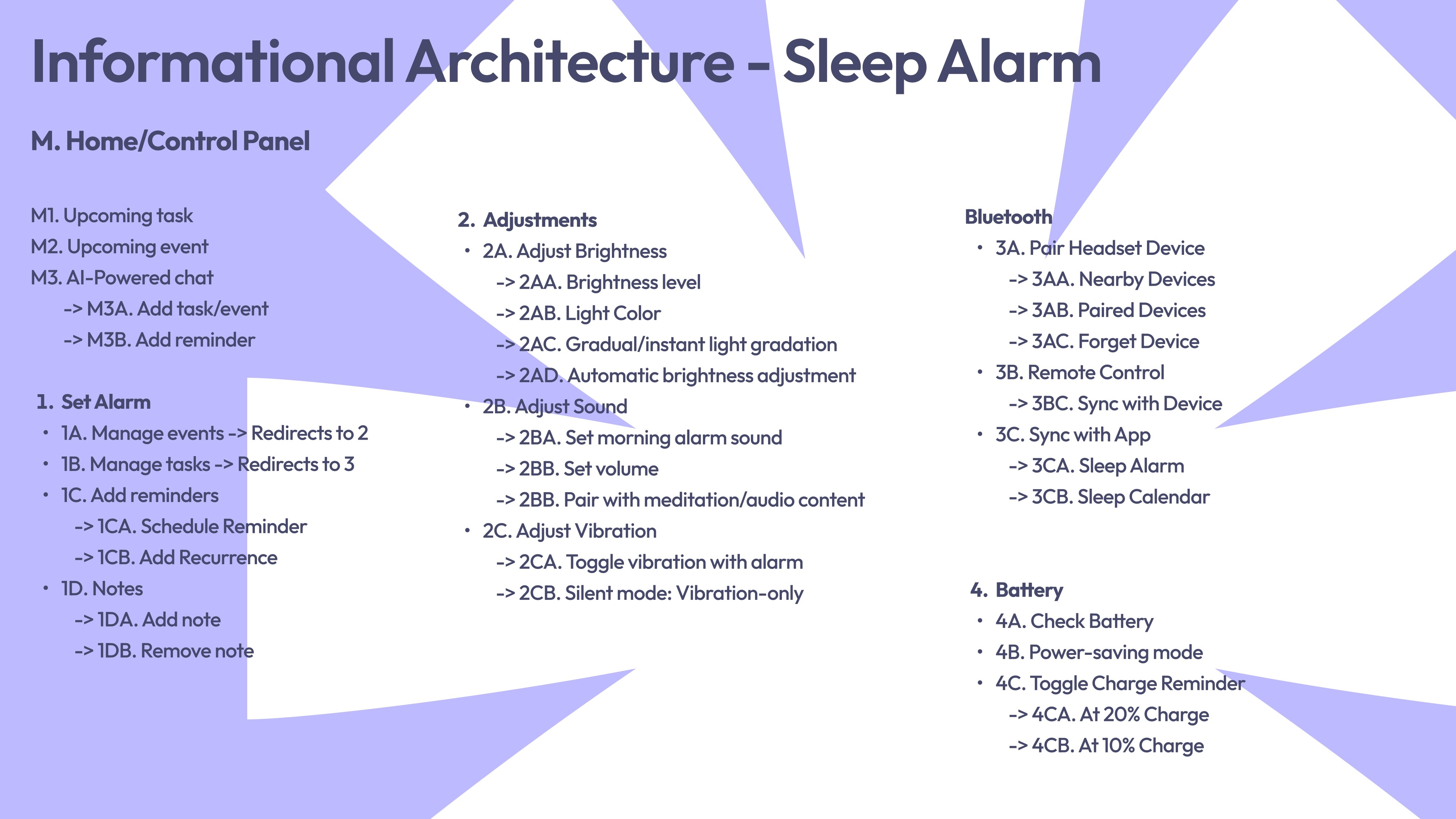
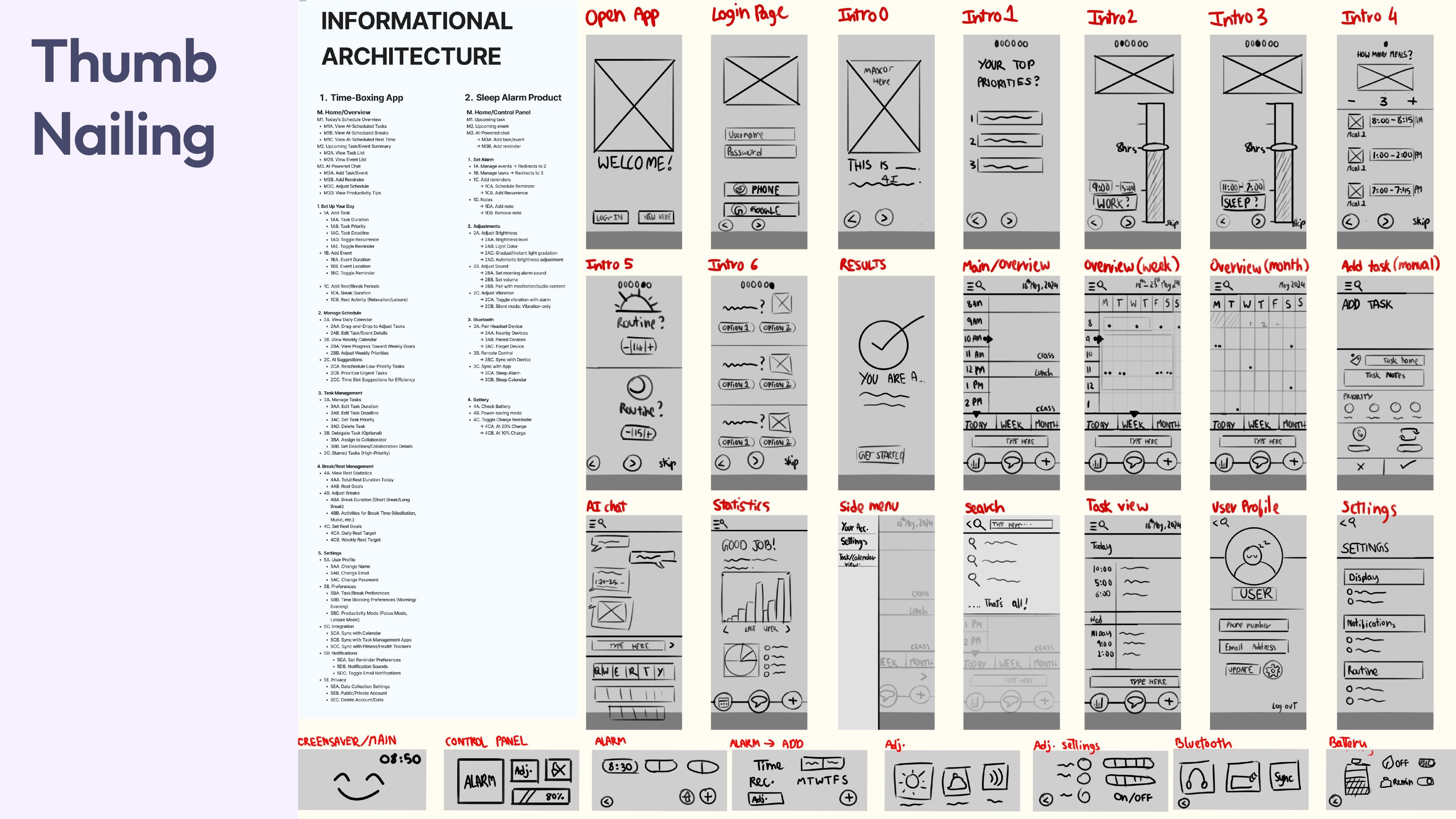
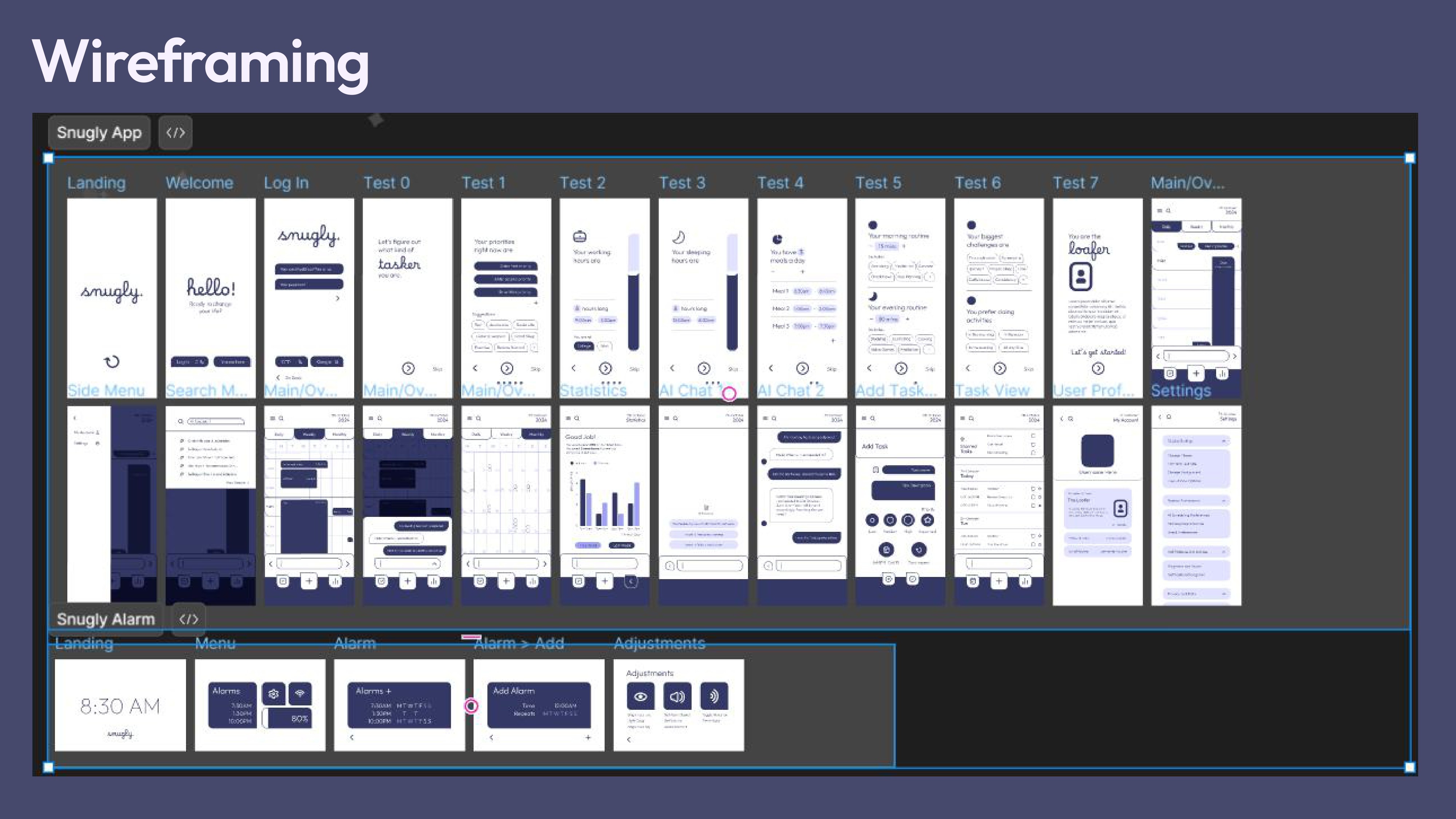
Informational architecture, along with thumbnails of both components of the design system.
Key Insights
Screentime and stress are major culprits behind disrupted sleep, requiring behavioral interventions.
Environmental factors, including roommates and uncomfortable conditions, significantly impact sleep quality.
Personalized solutions—such as adaptive apps, reminders, and gamification—can enhance consistency.
Dependency on quick fixes like melatonin suggests a need for sustainable sleep strategies.
Balancing responsibilities—academics, work, and personal life—is a key challenge, leading to irregular sleep patterns.
Mental and physical exhaustion from sleep deprivation reduces overall performance, creating a cycle of poor sleep habits.
Final Takeaway
To improve sleep quality, my solution addresses screen habits, stress management, and environmental control.
Users make use of a structured, AI-driven intervention that promote building a sense of routine and self-care. The system is designed to adapt to the individual's needs, building a long-term improvement in their life. Ultimately, the system aims to align with higher productivity, emotional stability, along with a balanced lifestyle, seamlessly integrating into the user's day-to-day.

This presentation walks you through the entire UI/UX project from start to finish.