


Bhatani
Brand Design & Strategy, Visual Identity, Social Welfare
Tools
Adobe Photoshop
Adobe Illustrator
Clip Studio Paint
Figjam
Methods
Field Study
User Research
Market Analysis
Competitor Analysis
Brand Positioning
Chharanagar has a population of over 25,000 people. Half the population are women.
40% of women earn by selling or smuggling liquor, enduring humiliation and struggle.
If they can access dignified employment, they could move away from that lifestyle.
This is where Bhatani comes into the picture.
Overview
Bhatani is a business focused on the economic welfare of the Chhara Community, a de-notified tribal community based in North India.
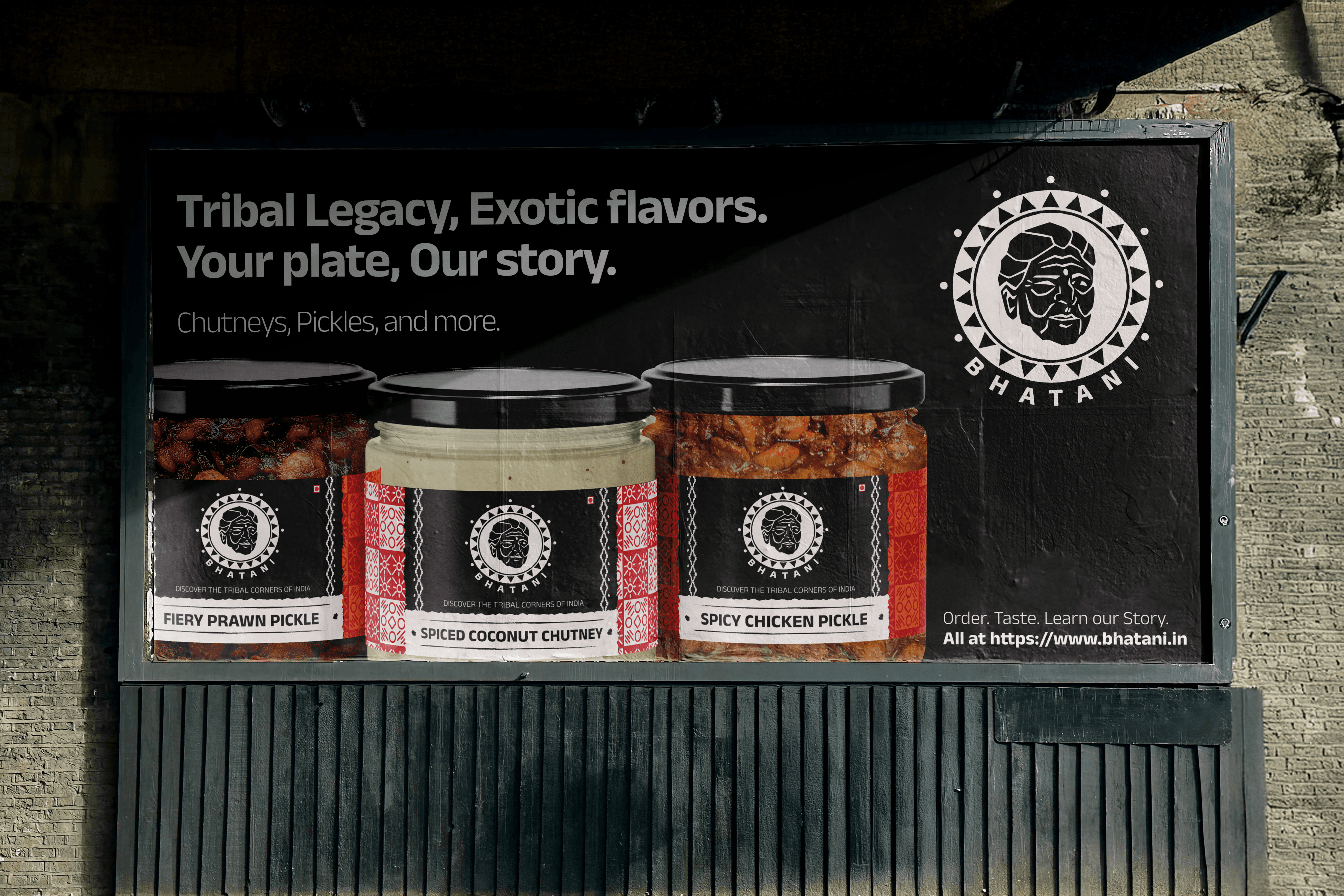
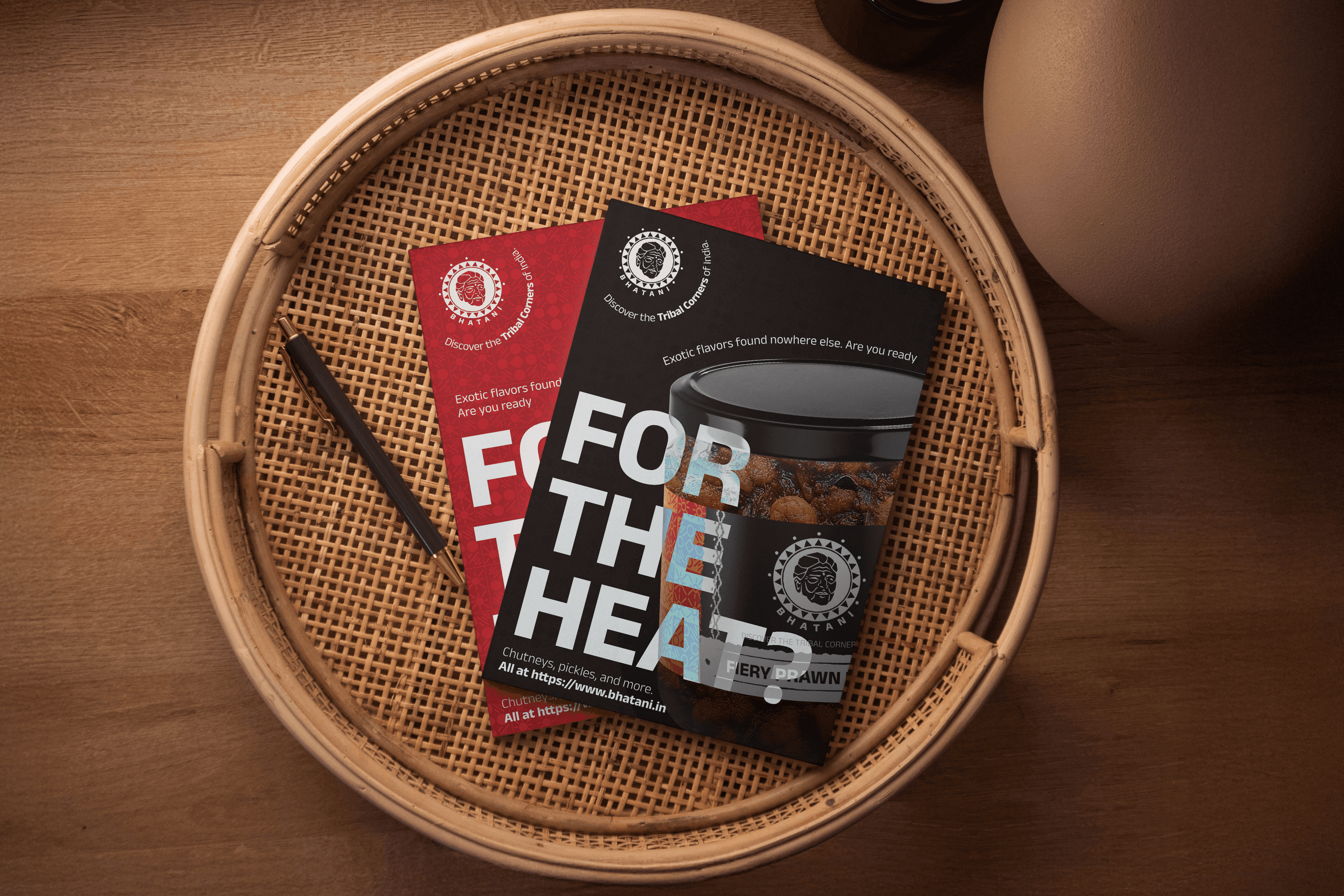
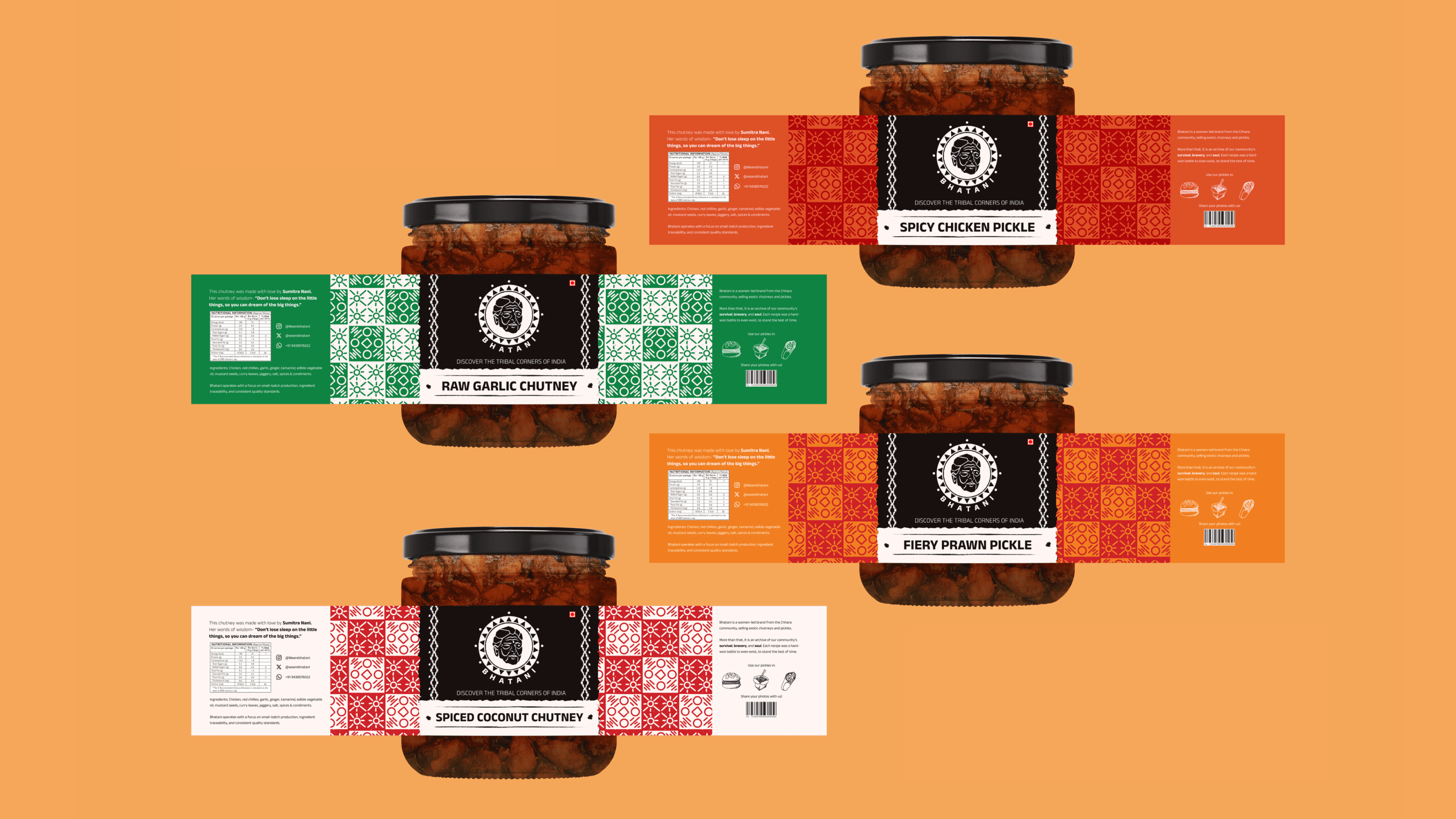
It centers around traditional chutney (type of Indian condiment) and aachar (pickle) recipes. The project helps Chhara women earn financial independence, work with dignity, all while challenging social prejudices against the community’s history.

Approach
I have been working closely since 2024 with Vimukta Reform Trust, a social advocacy group aimed at the upliftment of the Chhara Community. The idea began in phases, in dialogue with the trust and the women’s activist group Mahila Mandal.
I observed that Chhara households have a unique mastery of non-veg chutneys and pickles, such as chicken and prawn.
Every society that has faced harsh survival, eventually creates a culture of pickling. Dry foods are a core part of Chhara’s migrant history.
My involvement began as brand strategist, later evolving into co-founder, operations manager, and social media manager.
Our Mission
Provide a dignified workspace and stable salary to the women of Chharanagar.
Our Vision
Empower Chhara women through their long-standing traditional recipes, removing stigma.
Our Purpose
To give financial freedom to as many Chhara women as possible, keeping their culture preserved.
Brand Story
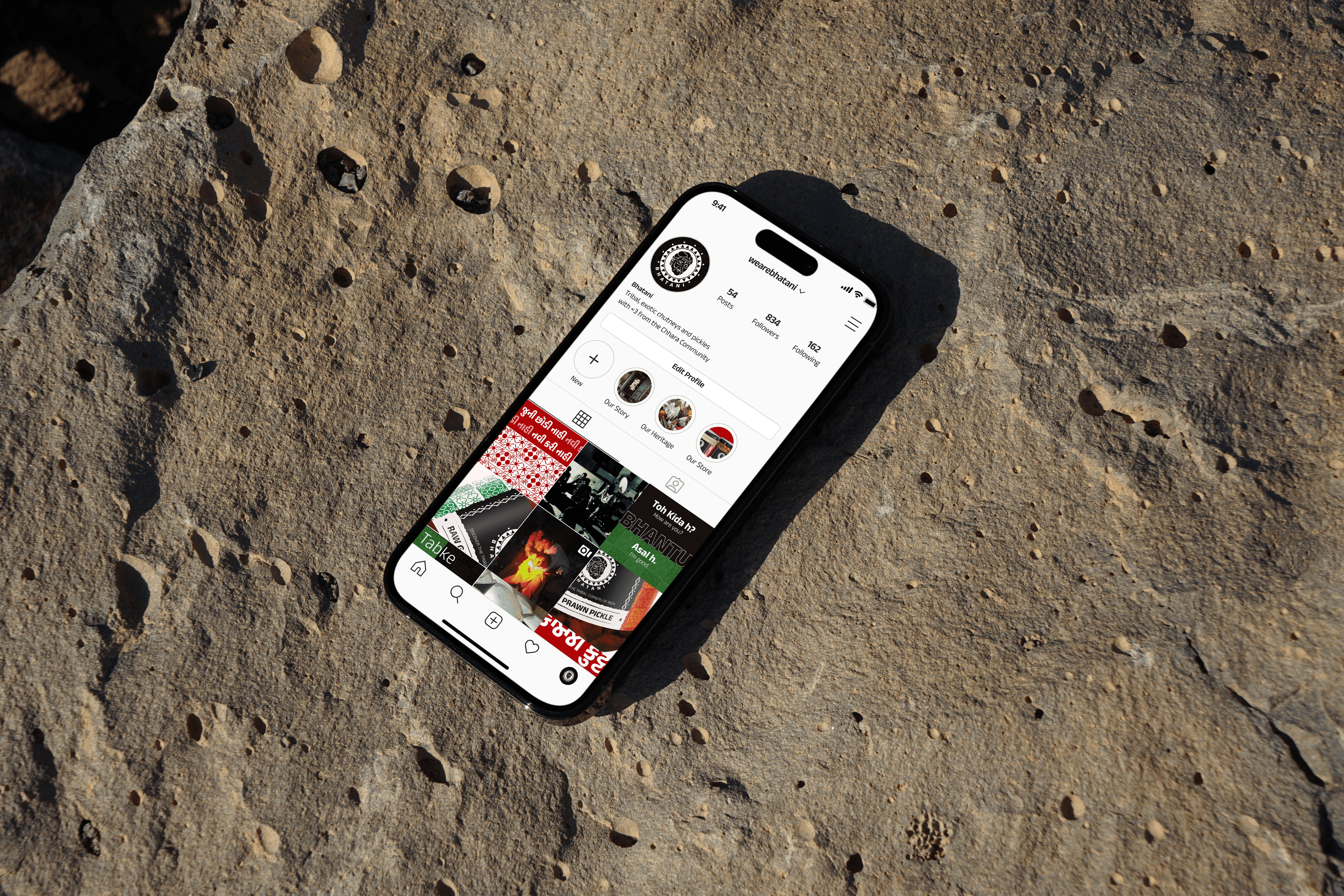
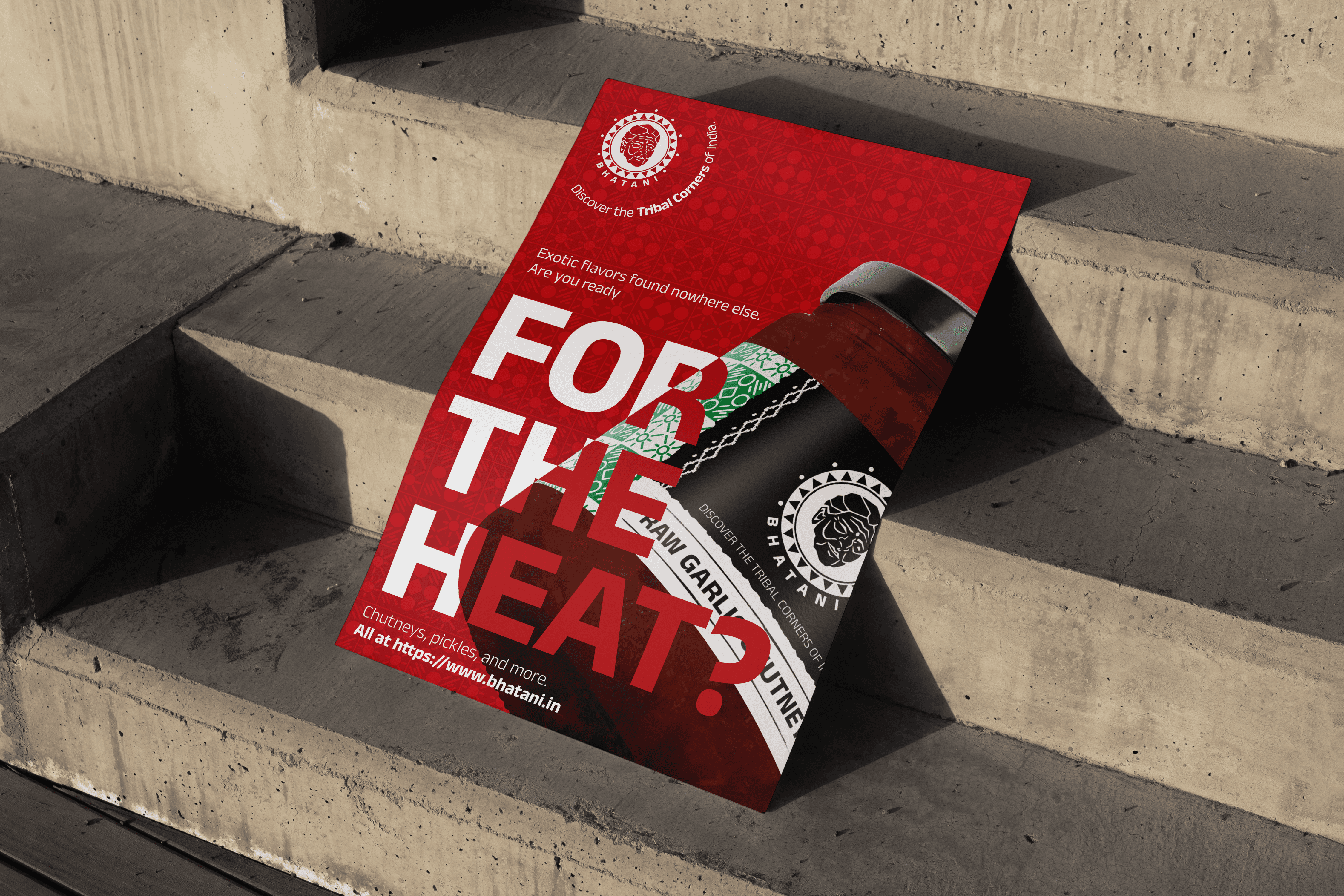
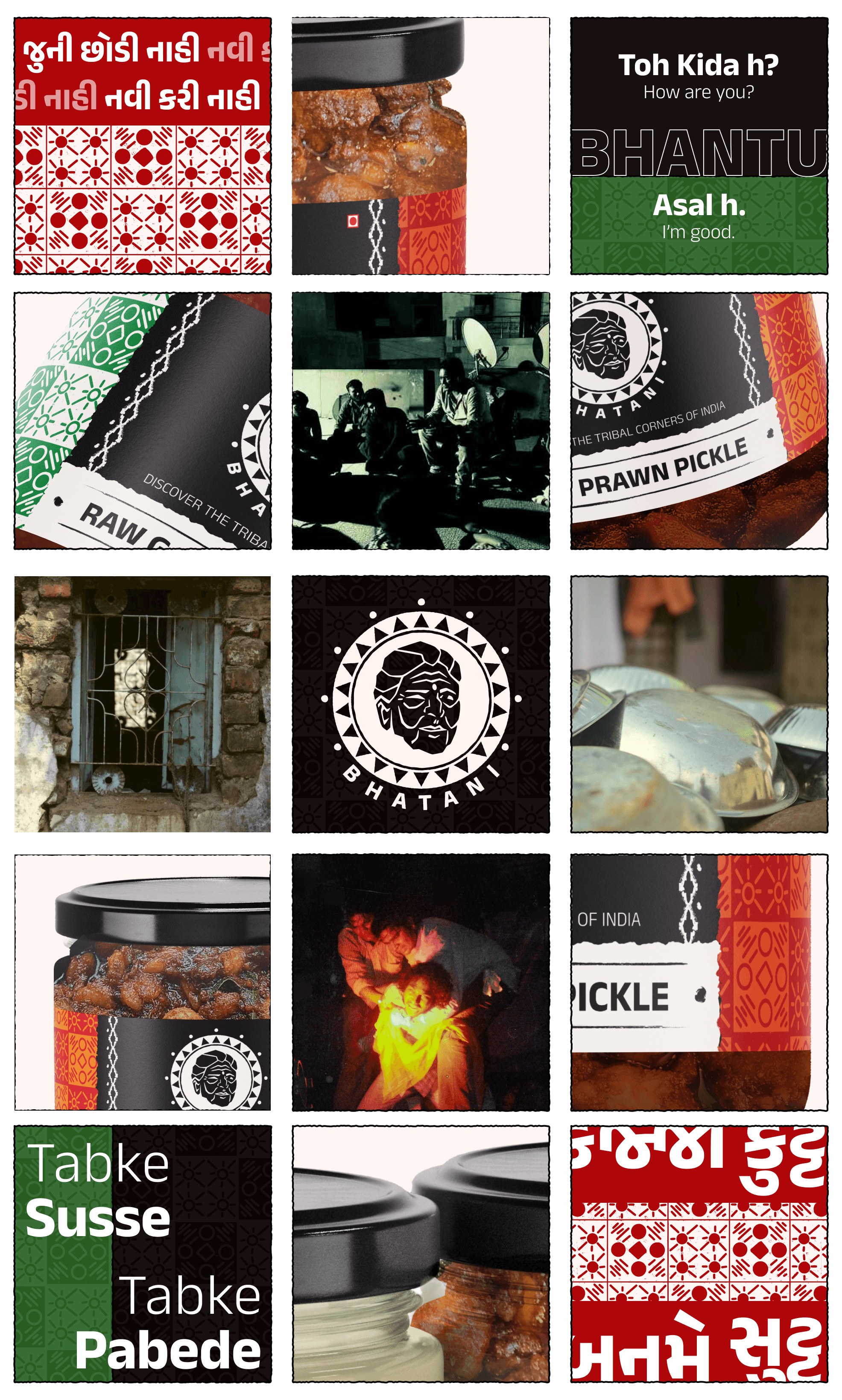
Bhatani offers undiscovered flavors that reveal deep narratives of Chhara history and tenacity, transforming a simple purchase into a powerful act of solidarity.
Brand Personality
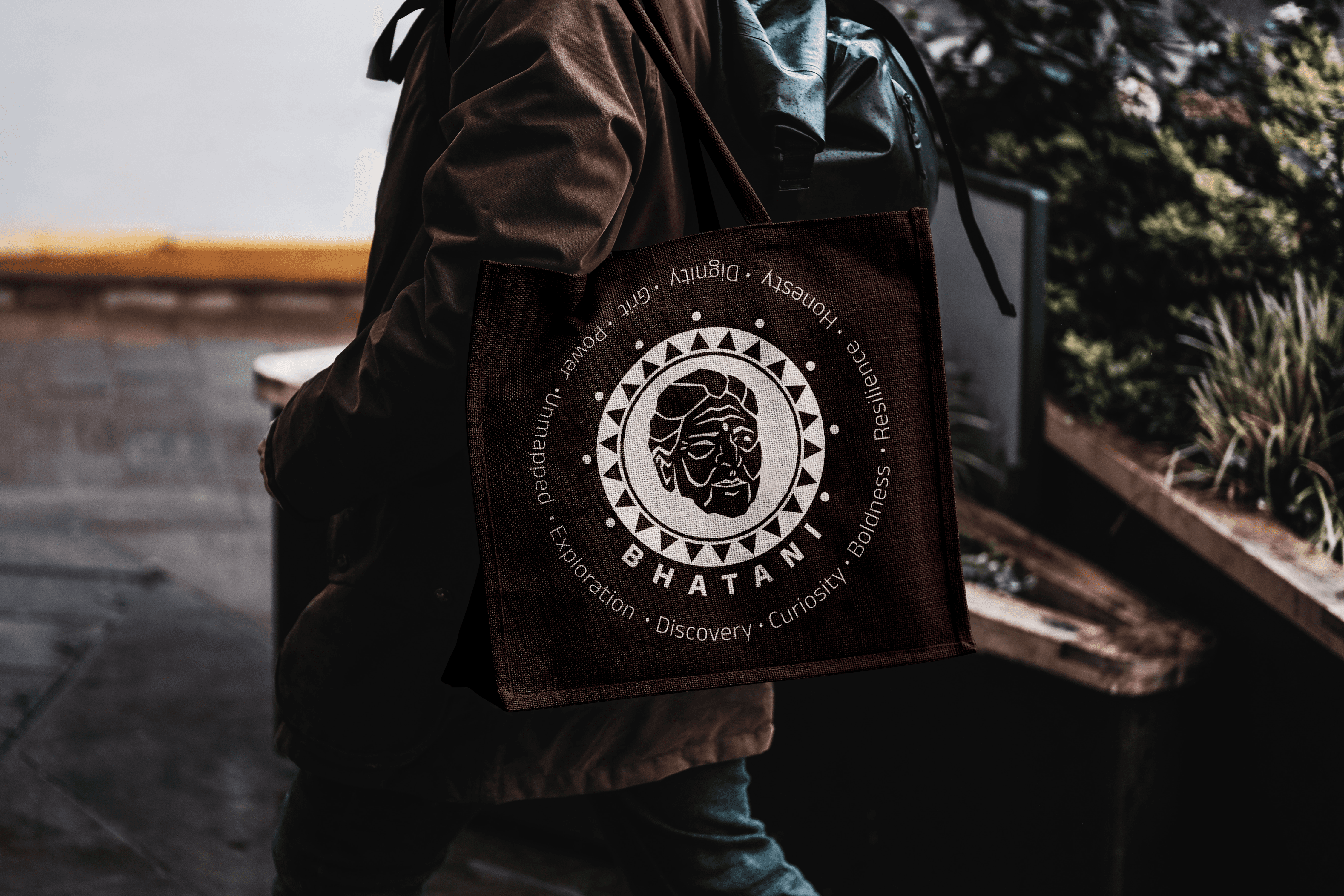
Bold, gritty, and meticulously honest, our personality stems from traditional heritage; with an impactful, relatable spirit to build lasting consumer trust.
Target Consumer
We serve conscious urban foodies and curation-minded professionals seeking unique culinary experiences that drive measurable social impact.
Findings
I found that the recipes and pickling process that came from the community were cultural mementos; a means of survival from a nomadic past. Researching and living in the daily lives of the women also highlighted a major gap in safe employment for them. These insights proved that the brand must act as a bridge between ancestral knowledge and the financial security the community currently lacks.
The lack of native visual motifs presented a significant hurdle. The Chhara community, being an oral culture, lacked visual representation. Without existing symbols to reference, the design required a careful start.
I researched regional art styles across the subcontinent to find shared threads. I used these inspirations to create new motifs that tell a nuanced story.
To bridge the social divide, I worked to unlearn my own biases. Empathy helped me understand the community's logic, stories, feelings and ways, which helped break down my own biases and presumptions in an effective way.
Learnings
Witnessing systemic oppression firsthand, particularly its impact on women, informed the brand's direction. I learned to respect their matriarchal roots while navigating their current struggles.
My role expanded into operations, where I researched business operations and supply chains, learning a new set of entrepreneurial skills in the process.
As a co-founder of Bhatani, I also learnt how to apply for for funding through grants and pitching to CSRs. This taught me immensely about the market I have stepped into.
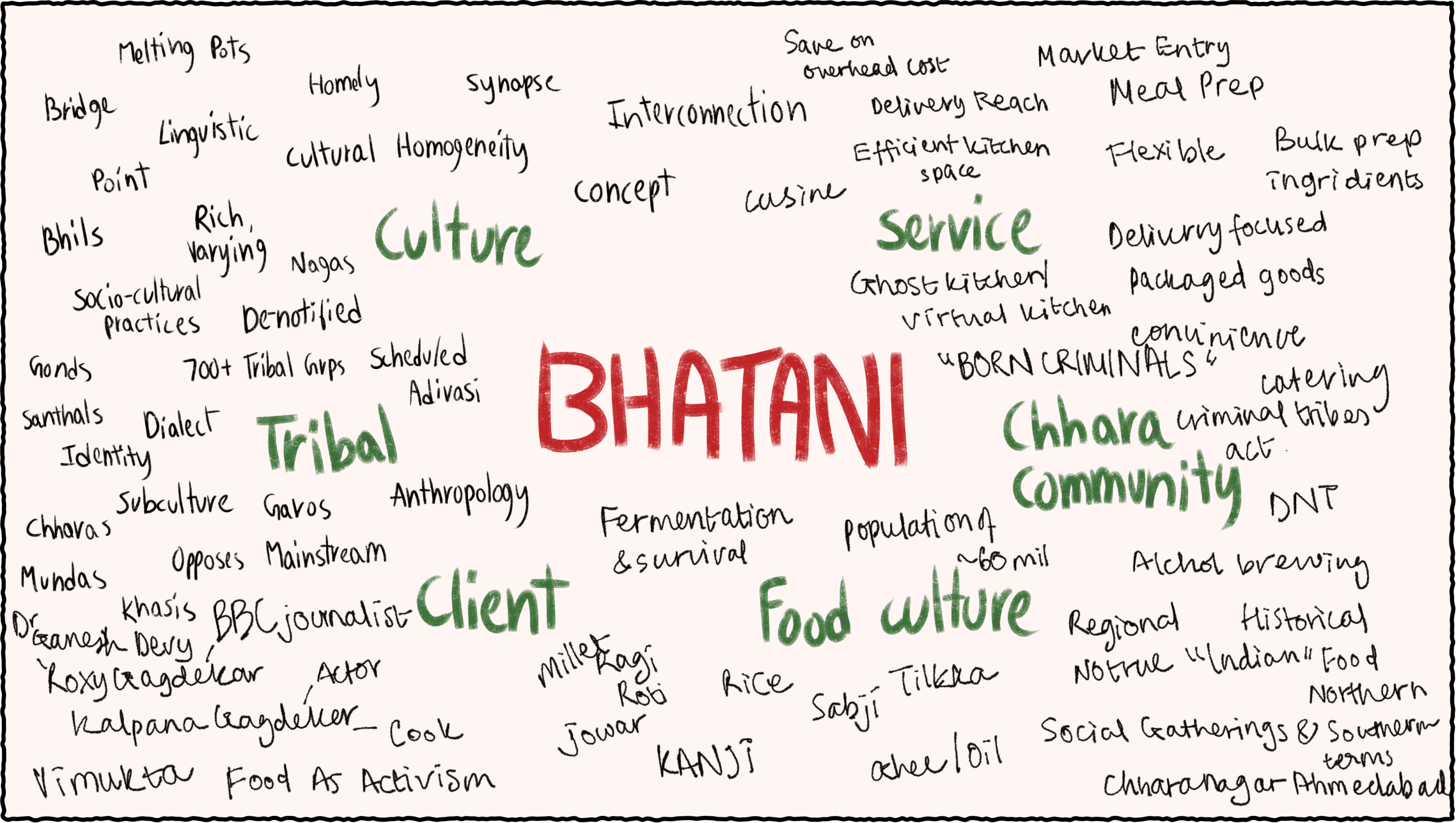
Initial mindmapping and brainstorming for the brand.
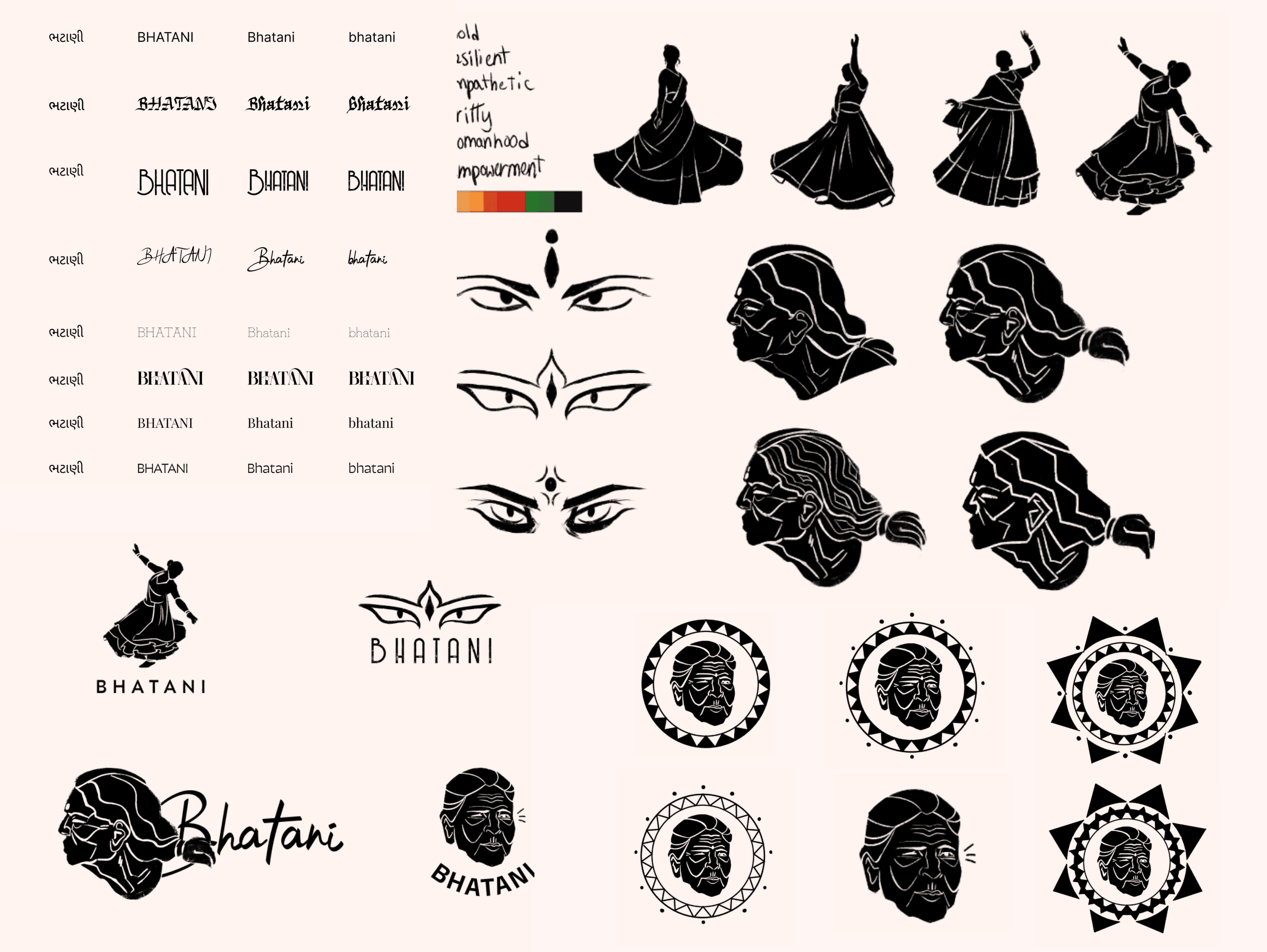
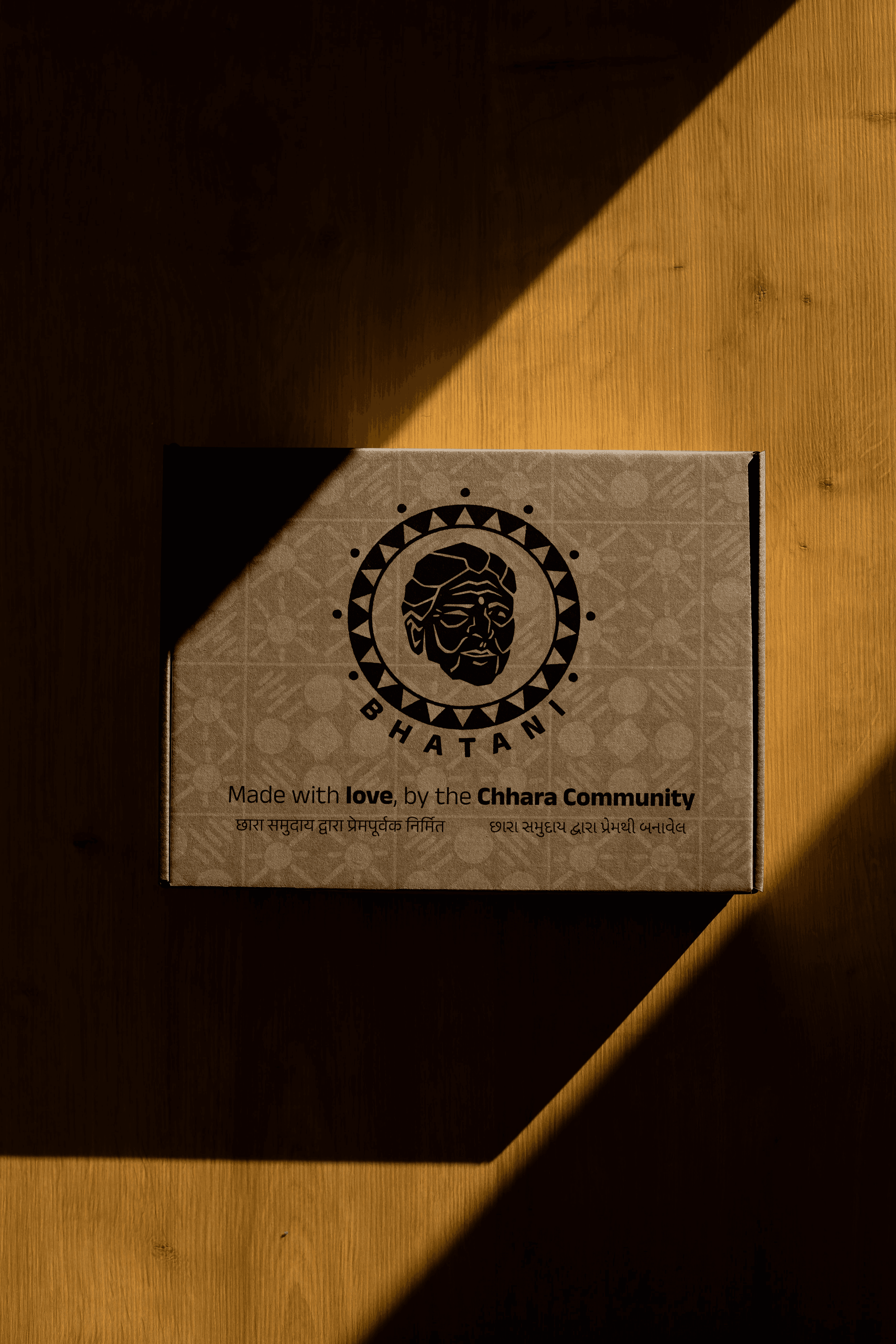
Logo Explorations.

Various brand approaches and moodboards made, before the finalisation of the brand.

Patterns made for the brand, inspired by Phulkari; a craft linked to the nomadic history shared by Chhara people in Punjab.
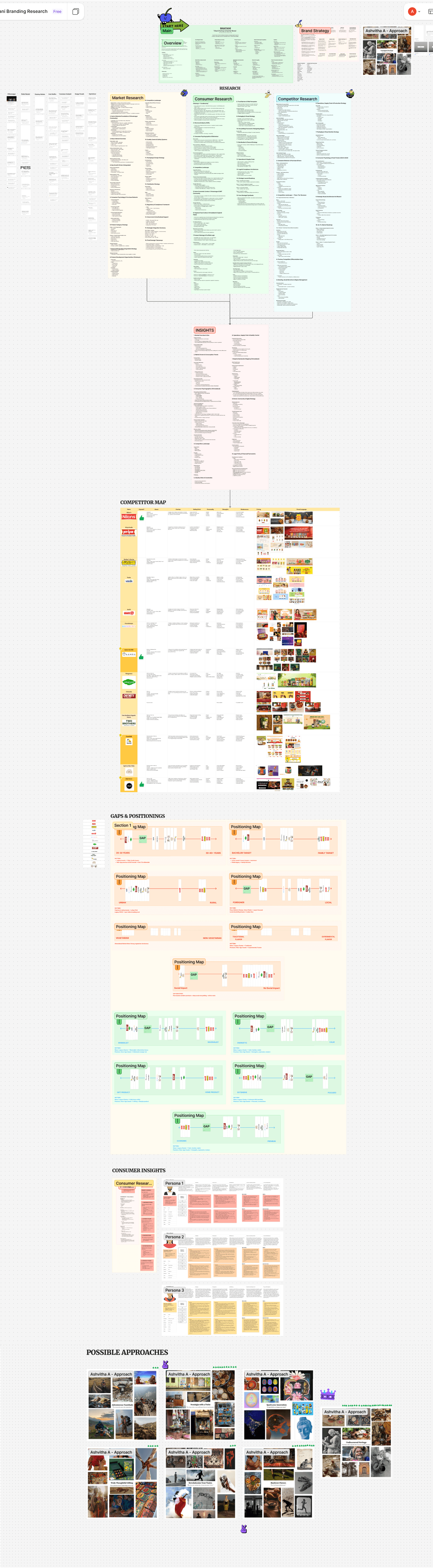
Entire research document (scroll to see it all.)
Key Insights
The Chhara community relies on oral history, leaving no existing visual patterns for a brand identity. This required building a design system from scratch using regional motifs like Phulkari.
Research showed that while urban consumers are curious about non-vegetarian condiments, clear labeling and polished branding is necessary for trust. Most importantly, the women already possess the skills needed for financial independence, but lack safe opportunities to use them within the formal economy.
Final Takeaway
Bhatani proves that strategic design can turn the crafts of marginalized communities into a professional business. Moving beyond visuals, the project established a legal framework alongside operational systems for growth, while also breaking down the stigma that has plagued the community.
My journey from strategist to co-founder emphasized that empathy is necessary for authentic representation. The finished brand serves as a bridge for the community, turning heritage-bound recipes into a stable income that protects women and preserves their history for future generations.

Let's Get in Touch!
Bhatani
Brand Design & Strategy, Visual Identity, Social Welfare
A Pickle Brand for De-notified Tribal Women.
Tools
Adobe Photoshop
Adobe Illustrator
Clip Studio Paint
Figjam
Methods
Field Study
User Research
Market Analysis
Competitor Analysis
Brand Positioning
Chharanagar has a population of over 25,000 people. Half the population are women.
40% of women earn by selling or smuggling liquor, enduring humiliation and struggle.
If they can access dignified employment, they could move away from that lifestyle.
This is where Bhatani comes into the picture.
Overview
Bhatani is a business focused on the economic welfare of the Chhara Community, a de-notified tribal community based in North India.
It centers around traditional chutney (type of Indian condiment) and aachar (pickle) recipes. The project helps Chhara women earn financial independence, work with dignity, all while challenging social prejudices against the community’s history.
FINAL BRAND
Approach
I have been working closely since 2024 with Vimukta Reform Trust, a social advocacy group aimed at the upliftment of the Chhara Community. The idea began in phases, in dialogue with the trust and the women’s activist group Mahila Mandal.
I observed that Chhara households have a unique mastery of non-veg chutneys and pickles, such as chicken and prawn.
Every society that has faced harsh survival, eventually creates a culture of pickling. Dry foods are a core part of Chhara’s migrant history.
My involvement began as brand strategist, later evolving into co-founder, operations manager, and social media manager.
Our Mission
Provide a dignified workspace and stable salary to the women of Chharanagar.
Our Vision
Empower Chhara women through their long-standing traditional recipes, removing stigma.
Our Purpose
To give financial freedom to as many Chhara women as possible, keeping their culture preserved.
Brand Story
Bhatani offers undiscovered flavors that reveal deep narratives of Chhara history and tenacity, transforming a simple purchase into a powerful act of solidarity.
Brand Personality
Bold, gritty, and meticulously honest, our personality stems from traditional heritage; with an impactful, relatable spirit to build lasting consumer trust.
Target Consumer
We serve conscious urban foodies and curation-minded professionals seeking unique culinary experiences that drive measurable social impact.
Findings
I found that the recipes and pickling process that came from the community were cultural mementos; a means of survival from a nomadic past. Researching and living in the daily lives of the women also highlighted a major gap in safe employment for them. These insights proved that the brand must act as a bridge between ancestral knowledge and the financial security the community currently lacks.
The lack of native visual motifs presented a significant hurdle. The Chhara community, being an oral culture, lacked visual representation. Without existing symbols to reference, the design required a careful start.
I researched regional art styles across the subcontinent to find shared threads. I used these inspirations to create new motifs that tell a nuanced story.
To bridge the social divide, I worked to unlearn my own biases. Empathy helped me understand the community's logic, stories, feelings and ways, which helped break down my own biases and presumptions in an effective way.
Learnings
Witnessing systemic oppression firsthand, particularly its impact on women, informed the brand's direction. I learned to respect their matriarchal roots while navigating their current struggles.
My role expanded into operations, where I researched business operations and supply chains, learning a new set of entrepreneurial skills in the process.
As a co-founder of Bhatani, I also learnt how to apply for for funding through grants and pitching to CSRs. This taught me immensely about the market I have stepped into.
FULL RESEARCH PROCESS
Initial mindmapping and brainstorming for the brand.
Logo Explorations.
Various brand approaches and moodboards made, before the finalisation of the brand.
Patterns made for the brand, inspired by Phulkari; a craft linked to the nomadic history shared by Chhara people in Punjab.
Entire research document (scroll to see it all.)
Key Insights
The Chhara community relies on oral history, leaving no existing visual patterns for a brand identity. This required building a design system from scratch using regional motifs like Phulkari.
Research showed that while urban consumers are curious about non-vegetarian condiments, clear labeling and polished branding is necessary for trust. Most importantly, the women already possess the skills needed for financial independence, but lack safe opportunities to use them within the formal economy.
Final Takeaway
Bhatani proves that strategic design can turn the crafts of marginalized communities into a professional business. Moving beyond visuals, the project established a legal framework alongside operational systems for growth, while also breaking down the stigma that has plagued the community.
My journey from strategist to co-founder emphasized that empathy is necessary for authentic representation. The finished brand serves as a bridge for the community, turning heritage-bound recipes into a stable income that protects women and preserves their history for future generations.
Let's Get in Touch!